
What Is Lifestyle Women's Fashion — And How It Differs From Everyday or Trend-Driven Styles?
What Is Lifestyle Women’s Fashion — And How It Differs From Everyday or Trend-Driven Styles?
It’s easy to assume “lifestyle women’s fashion” is just another marketing label—like “modern,” “elevated basics,” or “capsule-ready.” But in practice, especially on the ground in Dongguan and Shenzhen garment hubs, the term carries real operational weight. It’s not about how something looks in a studio shot. It’s about how it holds up across three back-to-back scenarios: a 9 a.m. client call in a co-working space, a 2 p.m. walk through a humid Guangzhou mall, and a 7 p.m. dinner with friends where no one’s checking your label—but they *do* notice how you move, how the fabric drapes after hours, whether your sleeves ride up or your waistband stays put.
It’s not defined by silhouette—but by consistency of use
Everyday fashion tends to be reactive: cotton tees, stretchy leggings, unstructured blazers—the kind of pieces buyers stock because they sell fast, not because they anchor a wardrobe. Trend-driven styles are even more time-bound: puff sleeves that vanish after six months, micro-mini skirts that feel dated before bulk production clears customs. Lifestyle women’s fashion sits between them—not as a compromise, but as a recalibration. It asks: What does a woman actually *do* in her week? Not what she *might* do for Instagram, but what she repeats—commuting, school drop-offs, weekend markets, Zoom meetings with camera-on, evenings where comfort can’t mean looking undone.
That’s why, at Meiwuzhi’s own factory in Changping Town, pattern makers don’t start with mood boards—they start with movement maps. A blouse isn’t graded only for bust and waist; they test sleeve articulation across 120° arm lifts. A tailored pant isn’t just about front rise and inseam—it’s tested over 500 seated-to-standing cycles on office chairs. That level of functional intention doesn’t come from trend reports. It comes from watching how real retail partners in Nanjing and Chengdu describe what sells *off the rack*, not what gets tagged in influencer posts.
The difference shows up in fabric choices—and who makes them
A basic jersey dress might use 95% cotton / 5% spandex. A trend-led version might swap in recycled polyester for “sustainability points” but skip the tensile recovery test. Lifestyle pieces? They often land in tighter, less obvious blends: 68% Tencel™ lyocell / 27% organic cotton / 5% elastane—not because it sounds premium on a tag, but because that ratio delivers 14% more shape retention after three washes, and breathability that holds up past 3 p.m. in Shenzhen summer humidity.
Meiwuzhi handles knitting processing in-house—not just for speed, but for control over stitch density and loop length. Why does that matter? Because a looser knit may drape beautifully on a mannequin, but it pills faster under daily bag straps or seatbelt friction. That’s not a “design decision.” It’s a durability trade-off most trend-focused suppliers won’t flag—until retailers report 22% higher return rates on sleeve cuffs after Week 3.
It’s not about minimalism—it’s about editability
One common misconception: lifestyle fashion = capsule wardrobe = neutral palette only. In reality, Meiwuzhi’s showroom in Nanshan regularly features deep emerald knits, rust-toned wool-cotton blends, and charcoal herringbone trousers—all built to the same functional standard as their oatmeal cashmere-blend sweaters. The cohesion isn’t chromatic. It’s structural: consistent weight (280–320 gsm for outer layers), similar hand-feel across categories, and intentional seam placements that align across tops, bottoms, and jackets—so a navy turtleneck tucks cleanly into both wide-leg trousers *and* a midi skirt without bunching.
That’s what enables true editability. A retailer in Xi’an told us last season: “Our customers don’t buy ‘the look.’ They buy the black turtleneck *because* it works with the corduroy skirt *and* the cropped blazer *and* the leather crossbody we source elsewhere.” Lifestyle fashion doesn’t demand full-brand dependency. It demands interoperability—by design.
Where the line blurs—and why it matters for buyers
Not every high-quality piece qualifies. A hand-finished silk blouse may be exquisite—but if it requires dry cleaning after two wears and snags on wool coats, it’s not lifestyle. Likewise, a “trend-right” piece made in premium fabric isn’t automatically lifestyle—unless its cut, construction, and finish serve repeated, varied use.
This distinction has real implications for inventory planning. Retailers working with Meiwuzhi’s Taolaichu platform often shift from seasonal “push” models (buying 12 SKUs per category, hoping one hits) to “anchor + rotate”: 3–5 core lifestyle pieces per category (e.g., a structured-but-soft blazer, a fluid midi dress, a high-rise trouser), then layer in 2–3 trend-adjacent items per quarter. That’s how stores in Shanghai and Guangzhou maintain 68–73% sell-through on core styles—even when new arrivals sit longer than expected.
So—what actually defines it?
Lifestyle women’s fashion isn’t a style. It’s a commitment—to wearability across contexts, to material honesty, to cuts that accommodate real posture and motion, and to production that respects both the garment’s lifespan and the wearer’s time. It’s visible in how a jacket’s shoulder seam sits after eight hours of wear, not just in the first photo. It’s audible in the quiet rustle of a wool-cotton blend versus the loud whisper of cheap polyester. And it’s measurable—not in social shares, but in repeat reorder rates from stores across 22 Chinese cities, and in how often a WeChat wholesaler messages: “Same fit, new color—can you hold 300 units for pre-sale?”
If you’re sourcing, curating, or building a brand around this idea, don’t start with aesthetics. Start with friction points: Where do clothes fail *between* moments? That’s where lifestyle fashion begins—and where the work really gets interesting.

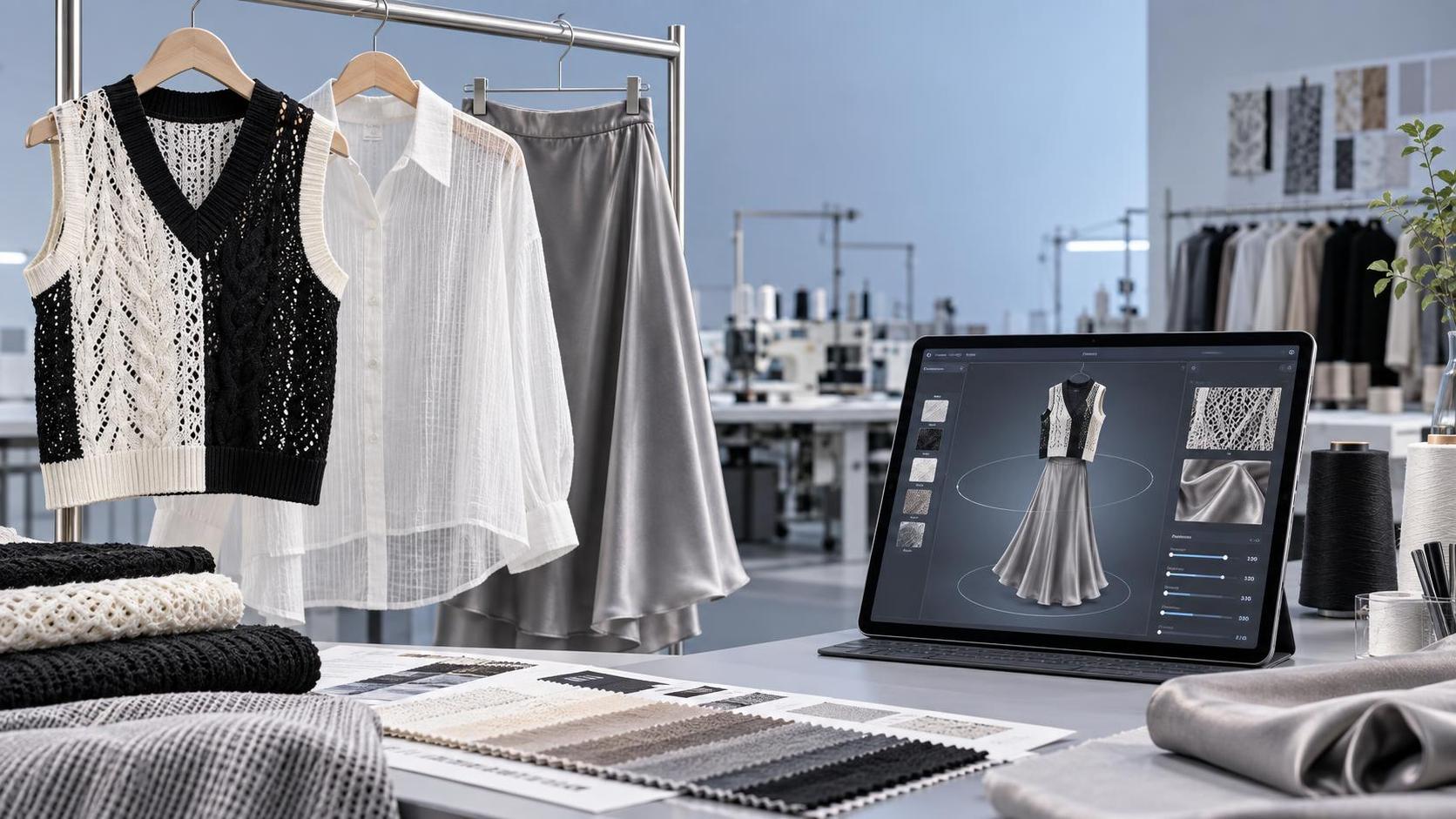
Women's Clothing ODM Services in 2024: Shifts in Minimum Order Quantities, Digital Sampling Adoption & Regional Sourcing Trends
Women's clothing ODM services in 2024: smarter MOQs, live-fit digital sampling & flow-optimized regional sourcing—partner with agility, not just capacity.
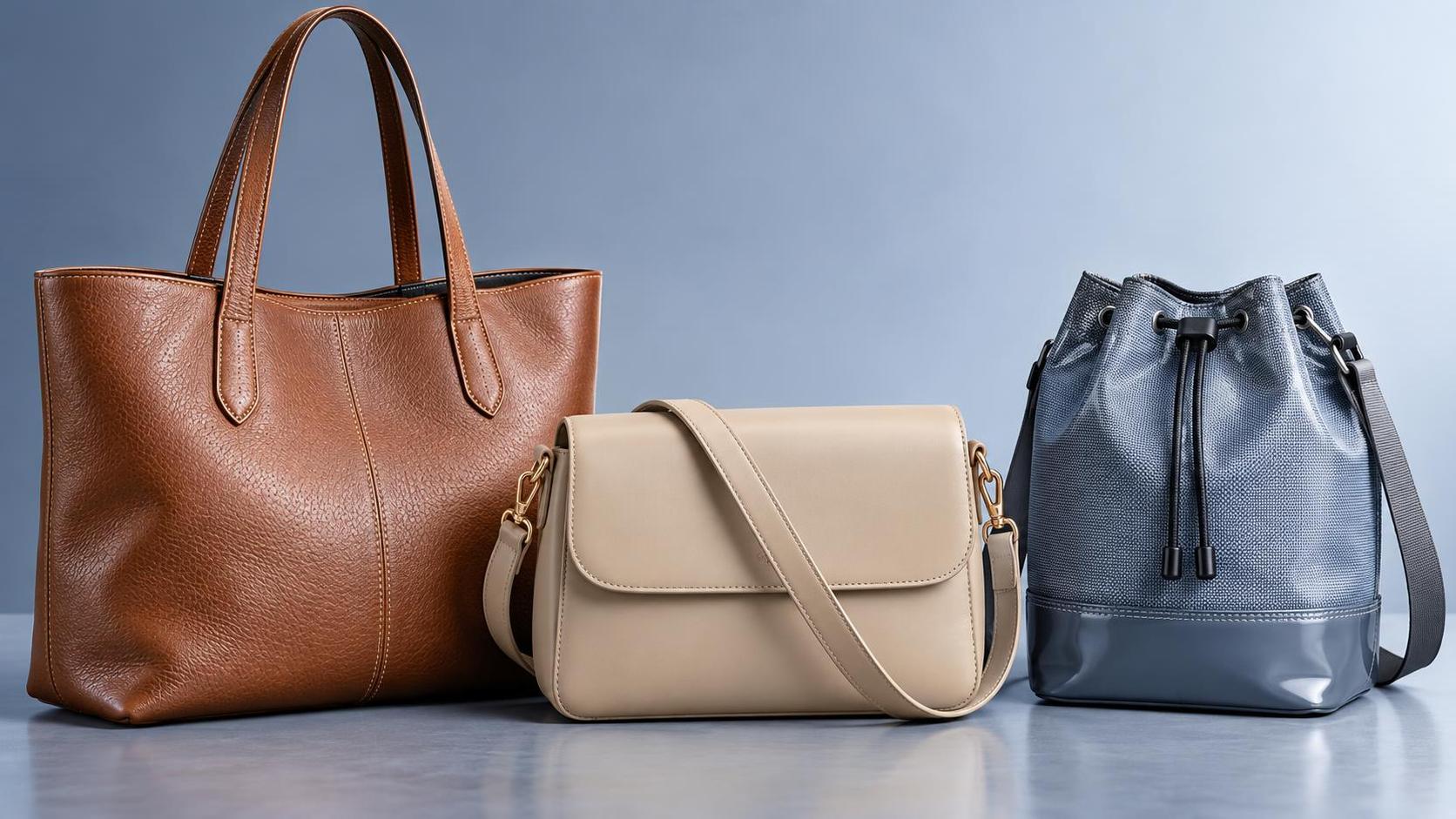
Women's Fashion Handbags: Comparing Leather, Vegan Alternatives & Recycled Materials by Durability, Margin & Consumer Perception
Women's fashion handbags compared: leather, vegan, and recycled materials—weighing durability, margin impact & real consumer perception for smarter sourcing.
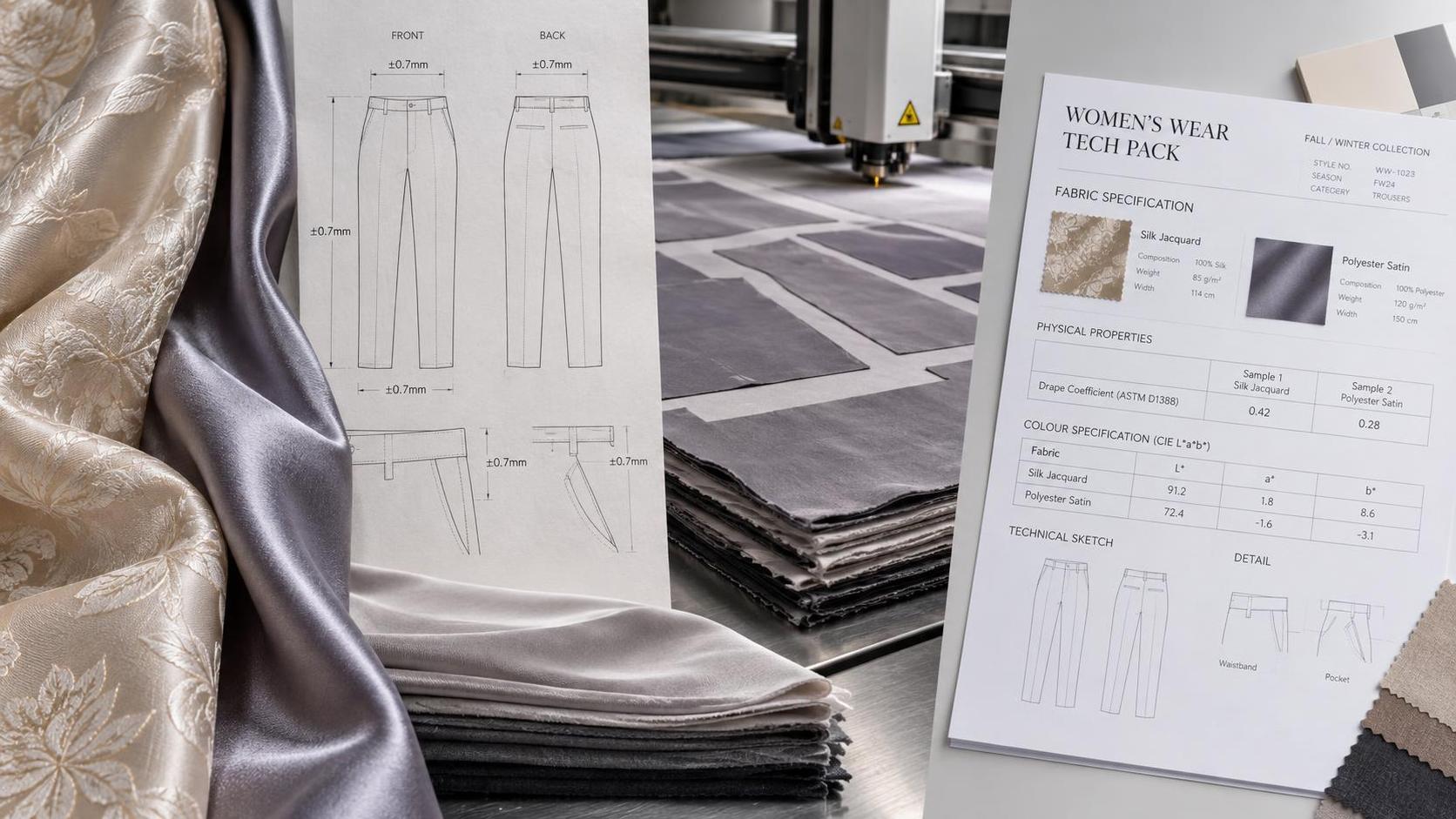
Custom Women's Clothing Production: How Fabric Choice, Fit Testing & Tech Packs Determine Final Cost Accuracy
Custom women's clothing cost accuracy starts with fabric choice, fit testing & tech packs—master these 3 pillars to slash budget overruns and boost production confidence.
Please give us a message
Contact Us