
Women's Shoes for All-Day Wear: Which Features Matter Most for Comfort?
When it comes to choosing women's shoes for all-day wear, the most important comfort features are support, fit, cushioning, flexibility, and breathable materials. A stylish pair may look appealing at first glance, but if the shoe does not support your foot properly, discomfort can build quickly. For anyone spending long hours walking, standing, commuting, or traveling, the right design details make a measurable difference.
Many shoppers searching for women's shoes want a clear answer to a practical question: what actually makes a shoe comfortable from morning to night? The answer is not a single feature. True comfort comes from how several elements work together, including arch support, toe room, sole construction, heel height, and the overall shape of the shoe.
What Should You Look for First in Women's Shoes for All-Day Comfort?
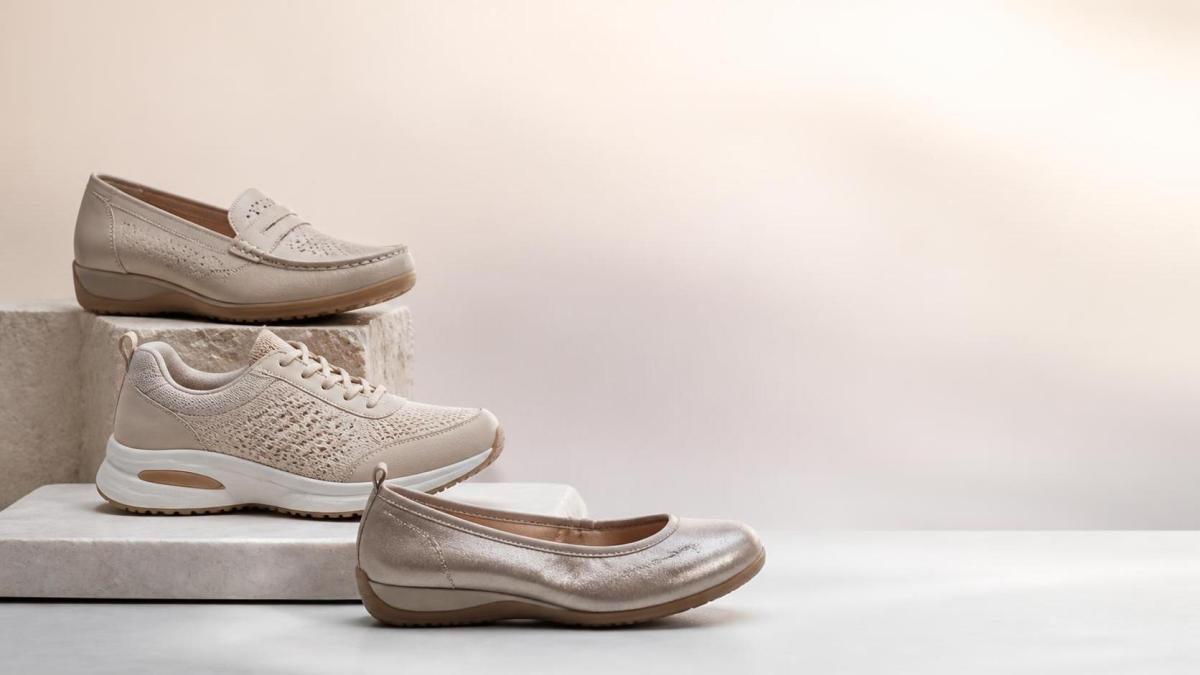
The first thing to check is overall foot support. Good women's shoes should help distribute pressure evenly across the foot instead of forcing too much weight onto the heel or ball area. This reduces fatigue and helps maintain comfort during long days.
Arch support is especially important. Feet with poor support often become tired faster, and that fatigue can spread upward into the ankles, knees, and lower back. A shoe with proper structure can help keep your foot aligned and reduce strain throughout daily movement.
Fit is equally important. Even well-made shoes can feel uncomfortable if they are too narrow, too loose, or too short. Your toes should have enough room to move naturally without sliding forward, and the heel should stay secure without rubbing.
Cushioning matters, but it should not be mistaken for comfort on its own. Very soft shoes may feel pleasant for a few minutes, yet fail to provide enough stability over a full day. The best women's shoes balance softness with supportive construction.
Why Arch Support Makes Such a Big Difference
Arch support is one of the most overlooked features when buying women's shoes. Some people focus only on upper materials or appearance, but the internal shape of the shoe has a major impact on long-term comfort.
Your arches help absorb shock and stabilize movement. If a shoe does not support this area, the foot may flatten too much with each step. Over time, that can lead to soreness, instability, and extra pressure on surrounding joints.
For women who stand for long hours, walk across large workspaces, or commute daily, arch support often matters more than extra padding. A stable base can help the entire body feel less tired, especially by the end of the day.
Not every foot has the same arch shape, so comfort is personal. Some people need moderate support, while others need more defined structure. Trying on shoes later in the day, when feet are slightly more swollen, can give a more realistic sense of fit.
How Important Are Cushioning and Shock Absorption?
Cushioning plays a major role in reducing repeated impact, especially on hard surfaces like concrete, tile, and pavement. If you spend hours on your feet, each step adds stress. Proper cushioning helps soften that repeated pressure.
However, the quality of cushioning matters more than the quantity. Thick soles do not automatically mean better comfort. If the foam compresses too quickly or lacks resilience, the shoe can start feeling flat and unsupportive after only a short period.
Shock absorption is closely related. A well-designed sole can help reduce the force that travels upward through your foot and leg. This is particularly useful for city walking, travel days, and work environments where movement is frequent.
Look for women's shoes that combine cushioning under the heel and forefoot with enough structure to prevent wobbling. Shoes that are too soft in every area may actually increase fatigue because the foot works harder to stay balanced.
Why Toe Box Shape and Width Matter More Than Many Shoppers Expect
A narrow toe box is one of the most common causes of all-day discomfort. Even attractive women's shoes can become painful if the front section squeezes the toes too tightly. Pressure in this area may lead to rubbing, numbness, or a burning sensation.
Your toes need room to spread slightly while walking. This natural movement helps balance the body and improves comfort over time. Shoes that allow enough width at the front often feel much better after several hours than sharply tapered styles.
Toe room is also important when feet swell slightly during the day. A shoe that feels acceptable in the morning can become restrictive by afternoon. That is why an all-day pair should never rely on a tight fit to feel secure.
If you often experience pressure on the sides of your feet, pay attention to the shape of the front upper and stitching lines. Seams placed in the wrong spot can create friction even when the shoe size itself seems correct.
What Role Do Heel Height and Sole Design Play?
Heel height has a direct effect on comfort. For all-day wear, a very high heel usually shifts too much body weight forward, increasing pressure on the ball of the foot. This often leads to soreness much faster than flatter or lower-profile styles.
That does not mean every flat shoe is comfortable. Some very flat shoes lack arch support and cushioning, which can create a different type of fatigue. In many cases, a low, stable heel or gently elevated sole offers a better balance.
Sole flexibility is another key factor. A shoe should bend where your foot naturally bends, usually near the ball of the foot, while still maintaining enough structure through the arch and heel. This helps walking feel smoother and less tiring.
Outsole grip matters too. Slipping slightly with every step forces the foot and leg muscles to work harder. Women's shoes designed for all-day comfort should offer reliable traction, especially for office commutes, shopping days, or travel.
Do Materials Really Affect Comfort Throughout the Day?
Yes, materials make a significant difference. Breathable uppers help reduce heat and moisture buildup, which can make shoes feel uncomfortable long before the day is over. Soft linings and flexible uppers also help minimize rubbing.
Natural-feeling textures and carefully chosen fabrics can improve the wearing experience, especially during transitional weather. The same attention to comfort appears in apparel design as well. For example, pieces like ZT6268 miu**FW26 reflect how soft wool texture, relaxed structure, and wearable styling can shape comfort beyond footwear alone.
In shoes, stiff materials may look polished but can create pressure points if they do not soften with movement. On the other hand, materials that are too thin may fail to hold the foot securely. The best option usually combines softness, breathability, and shape retention.
Season also matters. In warmer conditions, breathable women's shoes help keep feet drier and cooler. In cooler months, slightly more substantial materials can improve comfort, as long as the shoe does not become heavy or restrictive.
How Can You Tell If a Shoe Will Stay Comfortable After Hours of Wear?
One of the best methods is to evaluate the shoe as a whole instead of focusing on a single selling point. A pair that feels soft when you first put it on may still fail after several hours if the fit, support, or flexibility is wrong.
Walk in the shoes long enough to notice whether your heel slips, your toes press forward, or the arch feels unsupported. Pay attention to subtle warning signs. Mild discomfort during a short fitting often becomes more obvious later in the day.
Check the insole, heel counter, and sole bend. A supportive heel counter helps stabilize the back of the foot. A well-shaped insole supports contact points more evenly. A sole that bends in the right place will feel more natural while walking.
Also consider your typical routine. The best women's shoes for a desk job with light walking may differ from the best pair for retail work, travel, or full days on city streets. Matching footwear to real-life use is one of the smartest buying decisions.
Which Types of Women's Shoes Usually Work Best for All-Day Wear?
Low-profile walking shoes, supportive loafers, cushioned sneakers, and well-constructed flats are often strong choices for all-day comfort. The exact best style depends on how much movement you do and whether you need a more casual or polished look.
Sneakers designed with clean lines can work well for commuting and travel because they usually offer stronger cushioning and support. Loafers can be a practical option for work if they include a stable sole, sufficient toe room, and gentle interior materials.
Flats can also work, but only when they have more than a thin sole and decorative upper. Many shoppers assume flats are automatically comfortable, yet unsupportive designs may cause fatigue quickly. Construction matters more than category alone.
Style-conscious shoppers often want comfort without sacrificing appearance. That is entirely possible. The right women's shoes can look refined while still supporting daily wear, just as thoughtfully designed fashion pieces balance texture, shape, and ease in products like ZT6268 miu**FW26.
Common Mistakes to Avoid When Buying Comfortable Women's Shoes
One common mistake is choosing based only on appearance. A sleek shape or trendy finish may be tempting, but if the shoe lacks support or squeezes the foot, it will not serve well for all-day use.
Another mistake is assuming that breaking in the shoe will solve major fit problems. Minor stiffness may soften, but serious tightness, heel slipping, or poor arch alignment usually does not improve enough to become truly comfortable.
Many shoppers also buy shoes too quickly without considering when and where they will wear them. A pair for occasional dinners has different demands than shoes for commuting, long errands, or standing through an entire workday.
Finally, do not ignore quality construction. Durable stitching, stable soles, and balanced materials often make a bigger difference over time than flashy details. Comfort is not just about the first impression; it is about how the shoe performs hour after hour.
Final Thoughts on Choosing the Best Women's Shoes for All-Day Wear
If you want women's shoes that remain comfortable from morning to evening, focus first on support, fit, cushioning, toe room, breathable materials, and sensible heel design. These features matter more than trend claims or extra-soft first impressions.
The most comfortable pair is usually the one that matches your real daily routine while keeping your foot stable, balanced, and free from pressure points. When evaluating women's shoes, think beyond looks and ask how the structure will perform after hours of standing or walking.
In the end, comfort is not one feature but a combination of smart design choices. Once you learn what to look for, you can shop more confidently and choose shoes that truly support your day instead of slowing it down.

What Is Women's Ready-to-Wear, and How Does It Differ From Made-to-Measure?
Explore women's ready-to-wear vs. made-to-measure: compare fit, quality, cost, and timing to find the right option for your wardrobe. Discover what to check before buying.
Full Package Garment Production: What's Included and Which Costs Are Extra?
Full package garment production: discover what’s included, which costs are extra, and how to compare supplier quotes to avoid hidden fees and protect your womenswear margins.
Fashion Accessories Production: From Approved Samples to Consistent Bulk Quality
Improve fashion accessories production with proven sample, material, and inspection controls. Discover practical ways to reduce defects and deliver consistent bulk quality.


{item.title}
{item.description}
Please give us a message
Contact Us