
Women's Sweaters Fabric Guide: Wool, Cashmere, Cotton, and Blends Explained
When people search for guidance on women's sweaters fabric, they usually want one practical answer: which material will feel best, last longest, and suit their daily needs without disappointment. The short answer is that no single fabric is universally best. Wool is dependable for warmth and resilience, cashmere offers softness and luxury, cotton feels breathable and easy to wear, and blends often deliver the most balanced value for real-life use.
For information-seeking shoppers, the biggest concern is not the fiber name alone but how that fiber performs in daily wear. Readers want to know whether a sweater will itch, stretch out, pill, overheat indoors, survive repeated washing, and justify its price. They also want help matching fabric choice to climate, lifestyle, and wardrobe expectations.
The most useful content, therefore, is clear comparison: warmth, softness, breathability, durability, care needs, and ideal use cases. It also helps to explain common misunderstandings, such as why a blend can outperform a pure fiber in some situations, or why expensive fabrics are not always the most practical purchase.
This article should focus on decision-making rather than generic fashion commentary. The priority is helping readers compare wool, cashmere, cotton, and blends in a realistic way, while keeping the keyword women's sweaters natural and relevant throughout the piece.
Choosing the right fabric is essential when buying women's sweaters, as it affects comfort, warmth, durability, and style. From luxurious cashmere and classic wool to breathable cotton and practical blends, each material offers unique benefits for different needs. This guide explains the key differences to help information-seeking shoppers make smarter, more confident decisions.
Why Fabric Matters More Than Many Shoppers Expect
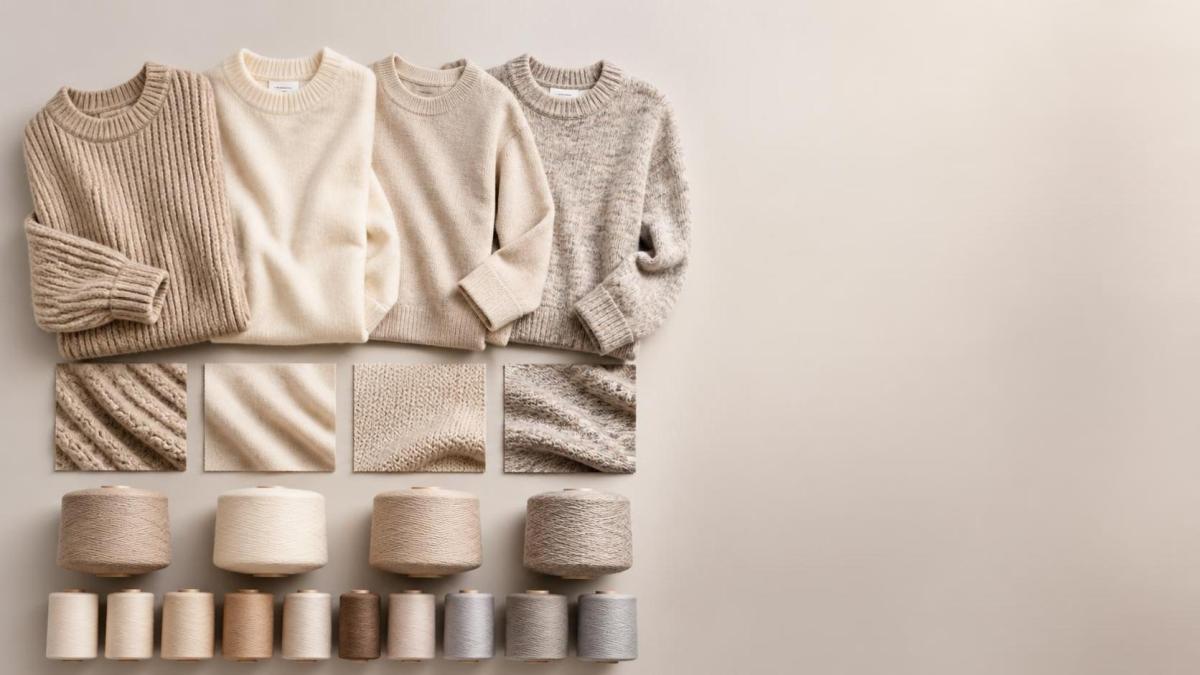
When shoppers compare women's sweaters, style often catches the eye first, but fabric determines whether that sweater becomes a favorite or stays unused in the closet. A beautiful design cannot compensate for discomfort, poor temperature control, or rapid wear.
Fabric affects how a sweater feels against the skin, how well it insulates, and how it behaves after weeks of use. Some fibers hold shape better, some trap heat more efficiently, and some are easier to maintain in busy daily routines.
That is why experienced buyers often start with the material label before looking at color or silhouette. For commuting, travel, office wear, or layering, fabric has a direct impact on convenience, appearance, and overall value.
For manufacturers and suppliers in the apparel industry, this is equally important. Companies with integrated capabilities in design, knitting, and garment production, such as Shenzhen Meiwuzhi Garment Co., Ltd., are better positioned to translate fabric choices into reliable product quality and consistent retail value.
Wool: The Reliable Choice for Warmth and Everyday Performance
Wool remains one of the most trusted materials in women's sweaters because it offers a strong balance of warmth, resilience, and classic appearance. It is especially suitable for cool weather, layered dressing, and everyday winter wear.
One key advantage of wool is insulation. The natural crimp in wool fibers helps trap air, creating warmth without requiring excessive fabric thickness. This makes wool sweaters practical for both outdoor exposure and indoor comfort during colder months.
Wool also has natural moisture management. It can absorb moisture vapor without feeling wet immediately, which helps regulate comfort during long commutes or changing temperatures. This is one reason wool is favored for active urban lifestyles.
In terms of durability, good-quality wool generally performs well over time. It resists wrinkling, recovers shape better than many plant fibers, and can maintain a polished look when cared for correctly. For shoppers seeking longevity, wool is often a sensible investment.
However, wool is not perfect for everyone. Some people find standard wool slightly coarse or itchy, especially on sensitive skin. Texture varies widely depending on the breed of sheep, fiber fineness, and finishing process, so not all wool sweaters feel the same.
Wool also requires thoughtful care. Depending on the construction, hand washing or gentle cleaning may be necessary. Heat and agitation can cause shrinkage, which makes label reading essential before purchase.
For readers comparing options, wool is usually the best starting point when warmth, structure, and seasonal versatility matter more than extreme softness. It is practical, proven, and available across a wide range of price levels.
Cashmere: Soft Luxury with Higher Expectations
Cashmere is known for its exceptional softness, lightweight warmth, and refined drape. It comes from the fine undercoat of cashmere goats, and because the fibers are much finer than regular wool, the hand feel is noticeably smoother and more luxurious.
The appeal of cashmere in women's sweaters lies in comfort without bulk. A relatively light cashmere sweater can provide impressive warmth, making it attractive for elegant layering, office dressing, and travel wardrobes where softness and packability matter.
Another strength is its elevated look. Cashmere often gives sweaters a more polished, premium appearance, which is why it is associated with investment dressing and understated luxury. It suits buyers who value tactile quality as much as visual style.
That said, cashmere comes with trade-offs. It is usually more expensive, more delicate, and more prone to pilling, especially in lower grades or loosely spun constructions. Price alone does not guarantee quality, so fiber length, ply, and finishing all matter.
Care is another concern. Cashmere generally needs gentler treatment than standard wool, and frequent friction from bags, desks, or outerwear can affect surface appearance. Buyers who expect effortless maintenance may find pure cashmere less practical for constant wear.
For information-oriented shoppers, the best way to think about cashmere is this: choose it for softness, elegance, and lightweight warmth, but only if the care routine and price match your expectations. It is an excellent option, just not automatically the best one for every use case.
Cotton: Breathable, Familiar, and Easy to Wear
Cotton sweaters occupy a different space from wool and cashmere. They are less about insulation and more about breathability, softness, and ease of wear. For mild climates, transitional seasons, and indoor settings, cotton can be a highly practical choice.
One major advantage is comfort for sensitive skin. Cotton is generally less irritating than animal fibers, making it appealing to shoppers who dislike itchiness or need a sweater for all-day wear close to the body.
Cotton also performs well in warmer environments. It allows airflow and feels less heat-trapping, so it is useful for spring layering, air-conditioned offices, and travel wardrobes where temperature changes are moderate rather than severe.
Another reason cotton remains popular in women's sweaters is maintenance. Many cotton sweaters are easier to wash and care for than wool or cashmere, which fits the needs of buyers who prioritize convenience and repeat wear.
Still, cotton has limits. It usually provides less warmth for its weight, and it may stretch or lose structure more easily depending on knit construction. It also retains moisture more readily, so it is not ideal when warmth and fast drying are top priorities.
In practical terms, cotton is best for shoppers who want a soft, casual, low-fuss sweater rather than a high-insulation cold-weather piece. It works especially well when versatility and comfort matter more than winter-level protection.
Blends: Often the Smartest Real-World Option
Blended fabrics are sometimes overlooked because shoppers assume pure fibers are always superior. In reality, blends are often designed to solve specific performance problems and can offer the most balanced combination of comfort, durability, and price.
For example, wool blended with synthetic fibers may improve shape retention, reduce pilling, and lower cost. Cotton blended with modal or viscose can enhance drape and softness. Cashmere blends can make luxury-feeling sweaters more durable and accessible.
This matters because most buyers do not wear sweaters under ideal showroom conditions. They commute, sit at desks, carry bags, travel, and wash garments repeatedly. A carefully developed blend often handles these realities better than a fragile pure-fiber item.
Blends can also be tailored to seasonal needs. Some are made lighter for transitional dressing, while others are engineered for added warmth, stretch, or wrinkle resistance. In product development, blending is not just a cost decision; it is often a performance decision.
That is why many apparel businesses diversify beyond one-fiber stories. Even outside knitwear, functional fabric selection follows the same principle. A piece like ZW6008 Bur*26SS, developed for commuting and trips, shows how consumers increasingly value breathable, lightweight, foldable, and protective materials that support real usage rather than marketing claims alone.
For shoppers comparing women's sweaters, blends deserve serious attention. If the label reflects a thoughtful combination and the hand feel is good, a blend may offer the best overall ownership experience.
How to Choose the Right Sweater Fabric for Your Needs
The most effective way to choose among wool, cashmere, cotton, and blends is to begin with your use scenario. Ask where the sweater will be worn, how often it will be used, and how much maintenance you are realistically willing to accept.
If warmth is the main priority, wool is usually the strongest practical option. If softness and refined texture matter most, cashmere may be worth the premium. If you need breathability and easy wear, cotton is often the better fit.
If you want a balance of performance, budget, and convenience, blends are frequently the best answer. This is especially true for people who want women's sweaters for commuting, business-casual wardrobes, and frequent rotation rather than occasional special use.
Sensitive skin should also influence the decision. Buyers who react to rough texture may prefer cotton, finer merino wool, or softer blends instead of traditional coarse wool. Touching the garment in person, when possible, remains valuable.
Climate is another deciding factor. Cold and dry regions often justify wool or cashmere, while humid or mild climates may favor cotton or lighter blends. Indoor heating also changes the equation, since overheating is a common complaint with heavy sweaters.
Finally, think about cost per wear instead of sticker price alone. A moderately priced sweater that wears well twenty times can be a better purchase than an expensive one that needs delicate handling and spends most of its life folded away.
What to Check Before Buying Women's Sweaters
Reading the fiber label is only the first step. Shoppers should also examine knit density, surface finish, seam quality, and shape recovery. These details often reveal more about performance than fiber name alone.
A loosely knitted sweater may feel soft in the hand but can lose shape faster. A denser knit may hold structure better and resist wear, especially at cuffs, elbows, and hems. Construction quality matters as much as raw material choice.
It is also worth checking care instructions before buying. A sweater that requires special treatment may still be a good purchase, but only if that fits your routine. Otherwise, even a premium garment can become inconvenient.
Color and styling should support wear frequency. Neutral tones and classic silhouettes usually deliver more repeated use, while trend-driven pieces may serve narrower wardrobe needs. Practical buying is often about repeatability, not just first impression.
Shoppers sourcing from wholesale channels or evaluating supplier capabilities should pay attention to consistency as well. Strong apparel partners typically demonstrate control over design development, material sourcing, knitting execution, and production follow-through.
That broader product logic appears across categories. Whether considering knitwear or a lightweight outerwear item such as ZW6008 Bur*26SS, informed buyers benefit when fabric choice is clearly connected to use scenario, comfort expectations, and long-term value.
Final Thoughts: The Best Fabric Depends on the Job You Need It to Do
There is no single winner in the debate over wool, cashmere, cotton, and blends. The best fabric for women's sweaters depends on what you value most: warmth, softness, breathability, durability, ease of care, or overall versatility.
Wool is dependable and warm, cashmere is soft and luxurious, cotton is breathable and easygoing, and blends often provide the smartest balance for everyday life. The most confident purchase happens when the fabric matches how the sweater will actually be worn.
For information-seeking readers, that is the key takeaway: do not buy by fiber reputation alone. Compare the real performance traits, consider your routine, and judge the garment as a complete product. That approach leads to better comfort, better value, and fewer regrets.

What Is Women's Ready-to-Wear, and How Does It Differ From Made-to-Measure?
Explore women's ready-to-wear vs. made-to-measure: compare fit, quality, cost, and timing to find the right option for your wardrobe. Discover what to check before buying.
Full Package Garment Production: What's Included and Which Costs Are Extra?
Full package garment production: discover what’s included, which costs are extra, and how to compare supplier quotes to avoid hidden fees and protect your womenswear margins.
Fashion Accessories Production: From Approved Samples to Consistent Bulk Quality
Improve fashion accessories production with proven sample, material, and inspection controls. Discover practical ways to reduce defects and deliver consistent bulk quality.


{item.title}
{item.description}
Please give us a message
Contact Us