
Is Domestic Women’s Clothing OEM Better Than Sourcing from Overseas Factories?
Is Domestic Women’s Clothing OEM Better Than Sourcing from Overseas Factories?
For fashion brands launching new lines—or scaling existing ones—the question isn’t theoretical. It’s operational: Should you place your next women’s apparel OEM order with a factory in Dongguan or Shenzhen, or continue working with partners in Bangladesh, Vietnam, or Turkey? The answer isn’t “always yes” or “always no.” It depends on three tightly interlocked variables: your product profile, your time horizon, and your control threshold.
In short: If your priority is speed-to-market for mid-to-high-end styles—especially those requiring iterative design input, small-batch flexibility, or rapid quality correction—domestic OEM in the Greater Bay Area often delivers measurable advantages. But those advantages collapse if your cost model assumes FOB Vietnam pricing, or if your team lacks the local language fluency or on-the-ground familiarity to manage production without intermediaries.
Where Domestic OEM Wins—And Why It’s Not Just About “Proximity”
“Closer” doesn’t automatically mean “better.” What makes domestic OEM compelling for women’s apparel is how proximity interacts with specific industry realities:
- Design-to-sample compression: A style that takes 4–6 weeks to finalize in Vietnam—including pattern revisions, fabric sourcing delays, and two-way translation of fit notes—can be locked down in 10–14 days with a Guangdong-based partner who attends your fitting sessions in person, adjusts muslins same-day, and shares digital fit reports via WeChat. This isn’t theoretical: Brands launching seasonal capsule collections for Chinese e-commerce platforms (e.g., Taobao Live drops or Douyin flash sales) routinely rely on this cadence.
- Real-time QC enforcement: Overseas factories often operate under “final inspection only” models—where defects surface only after bulk shipment. Domestic OEM enables staged checks: pre-production fabric approval, mid-run line audits, and post-trim final inspection—all within 24 hours of request. When a subtle seam allowance error appears on Style #A278, you don’t wait for a photo and a 48-hour email thread. You walk into the factory, point, and see it corrected before lunch.
- Material and trim traceability: For premium women’s wear—especially knits, lace-trimmed blouses, or structured jackets—fabric handfeel, dye lot consistency, and accessory finish matter at the millimeter level. Domestic partners maintain direct relationships with nearby textile mills (e.g., in Zhongshan or Jiangsu), allowing physical swatch comparisons, small-dye-lot testing, and immediate re-runs if shade drift occurs. Overseas sourcing layers in transit time, customs documentation, and third-party agent dependencies—each adding latency and ambiguity.
Where the Assumptions Break Down
Domestic OEM isn’t universally superior—and misapplying it creates real friction. Three common mismatches stand out:
1. Cost expectations rooted in offshore benchmarks. Yes, labor rates in Dongguan are lower than in Italy—but higher than in Cambodia. And when you factor in stricter environmental compliance, mandatory social insurance contributions, and tighter overtime controls, landed unit costs for basic cotton tees or jersey leggings may sit 12–18% above comparable Vietnam FOB quotes. The value isn’t in beating offshore on price—it’s in avoiding the hidden cost of rework, air freight surcharges for rushed corrections, or missed selling windows due to delayed approvals.
2. Volume assumptions that ignore minimums and capacity fragmentation. A single factory in Ho Chi Minh City might handle 50,000 units/month of one style. In Dongguan, the same volume often requires coordination across three specialized units—one for cutting, one for sewing, one for finishing—each with its own MOQs and scheduling constraints. Brands expecting turnkey “one-stop” production for 20,000+ units of a single SKU need to verify vertical integration upfront—not assume it exists just because the factory is in China.
3. Communication built on English-only workflows. Even with fluent English-speaking factory managers, critical decisions happen in Mandarin—in quick WeChat voice notes during line checks, handwritten notes on spec sheets, or verbal clarifications during fittings. Teams relying solely on formal English email trails will miss nuance, delay resolutions, and misinterpret urgency. Successful domestic partnerships almost always involve at least one bilingual team member embedded in the process—not as a translator, but as a cultural and procedural bridge.
How to Test Fit—Before You Commit
Don’t evaluate a domestic OEM partner on brochures or Alibaba ratings alone. Ask for evidence tied directly to your use case:
- Request a live sample timeline: Provide your tech pack and ask for a written schedule showing exact days allocated to pattern making, toile fitting, fabric approval, and bulk production—with clear ownership (e.g., “Client approves fabric swatch by Day 3; factory ships first sample by Day 7”). Compare that against your actual launch calendar.
- Verify QC infrastructure: Ask for photos of their in-house lab (tensile testers, colorimeters, shrinkage ovens) and audit logs from the past six months—not just ISO certificates, but records showing how many line stops occurred and why.
- Map their supply chain depth: For a lace-trimmed dress, ask: Where do the lace, lining, and buttons come from? Can they provide mill certificates? Are trims sourced locally (Zhongshan), or imported (Korea/Japan)? Shorter local supply chains mean faster substitutions if a component fails QC.
One Guangdong-based operator—active for over a decade on Alibaba, with showrooms in Shenzhen and production hubs across Dongguan and Suzhou—demonstrates this pragmatism: Their showroom displays not just finished garments, but fabric books, trim swatches, and annotated fit reports from recent client projects. Retailers and online wholesalers visit not to place orders blindly, but to validate alignment on handfeel, drape, and construction integrity before committing to bulk. That transparency isn’t marketing—it’s risk mitigation built into the workflow.
The Bottom Line
Domestic OEM for women’s clothing isn’t “better” in absolute terms. It’s more controllable—when your business model rewards responsiveness over raw cost, when your product demands tactile precision, and when your team can operate effectively within a localized, high-touch production rhythm. It shifts leverage from “lowest quote wins” to “fastest learning loop wins.”
If your next collection hinges on nailing a new silhouette in under eight weeks—or if you’ve burned time (and margin) chasing corrections across three time zones—then yes, domestic OEM deserves serious evaluation. But start by auditing your own readiness: Do you have the bandwidth to engage weekly? The language access to catch details in real time? The clarity on what “premium” actually means for your customer—not just your spec sheet?
That’s where the decision crystallizes—not in geography, but in alignment.

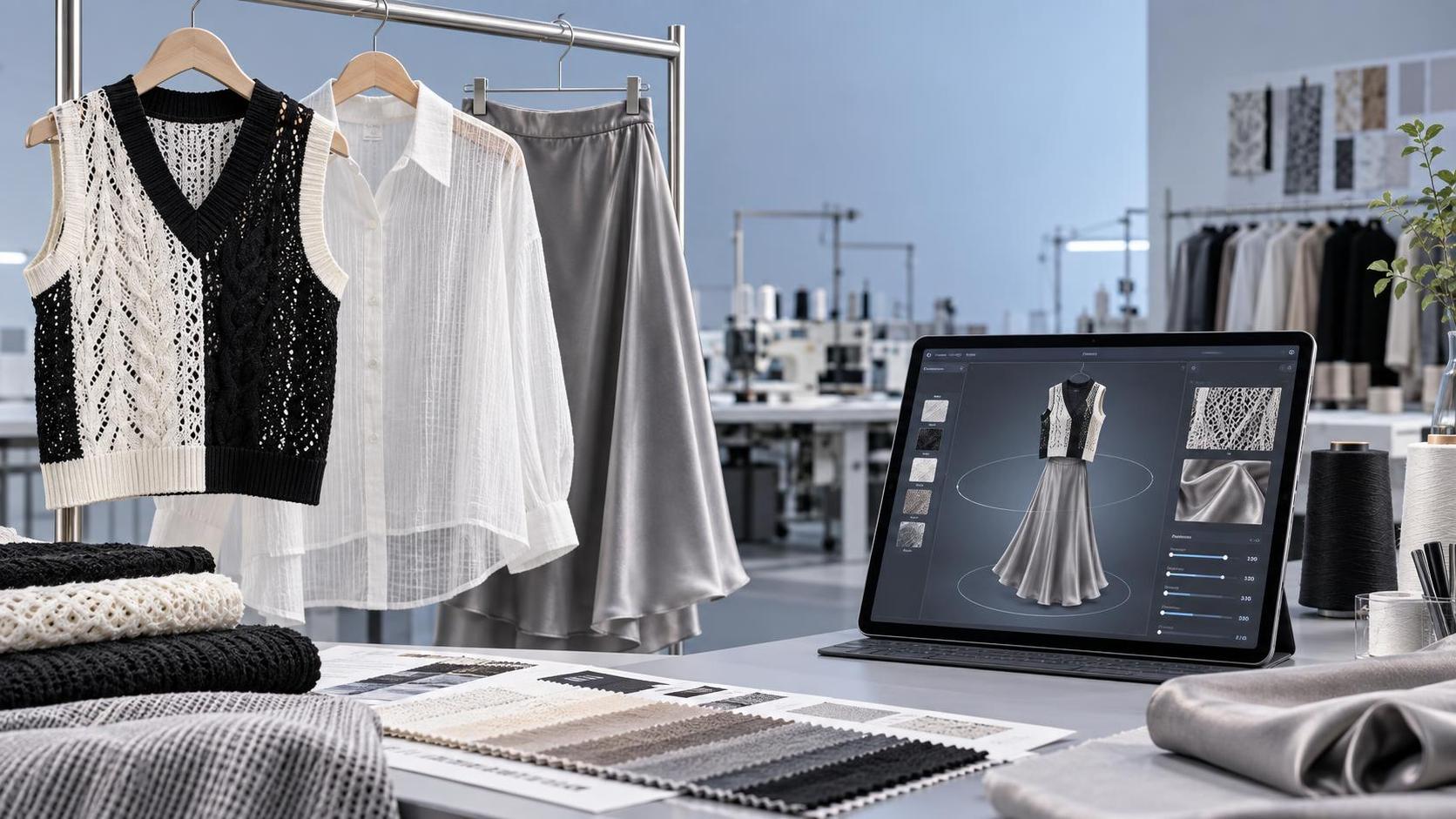
Women's Clothing ODM Services in 2024: Shifts in Minimum Order Quantities, Digital Sampling Adoption & Regional Sourcing Trends
Women's clothing ODM services in 2024: smarter MOQs, live-fit digital sampling & flow-optimized regional sourcing—partner with agility, not just capacity.
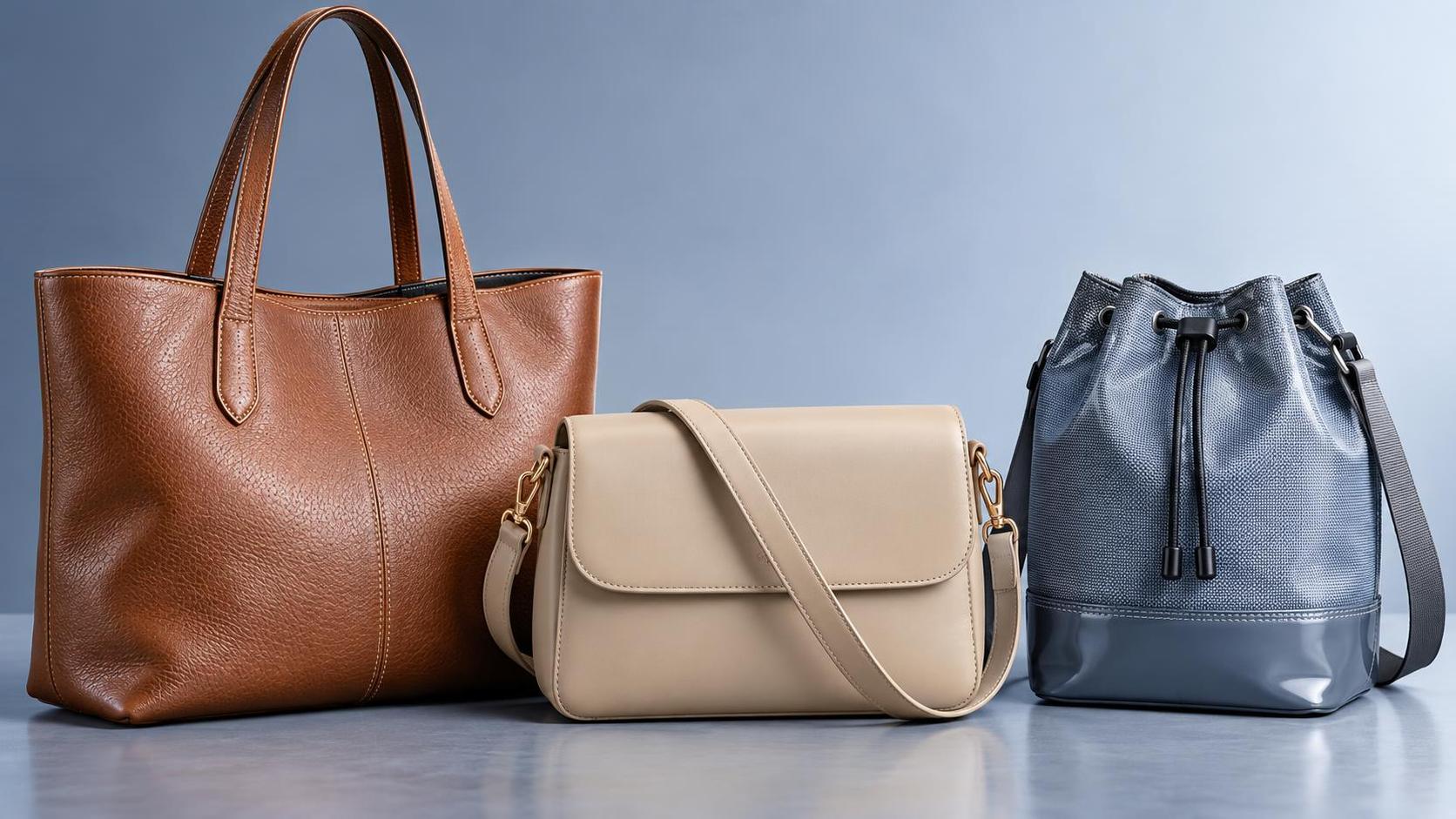
Women's Fashion Handbags: Comparing Leather, Vegan Alternatives & Recycled Materials by Durability, Margin & Consumer Perception
Women's fashion handbags compared: leather, vegan, and recycled materials—weighing durability, margin impact & real consumer perception for smarter sourcing.
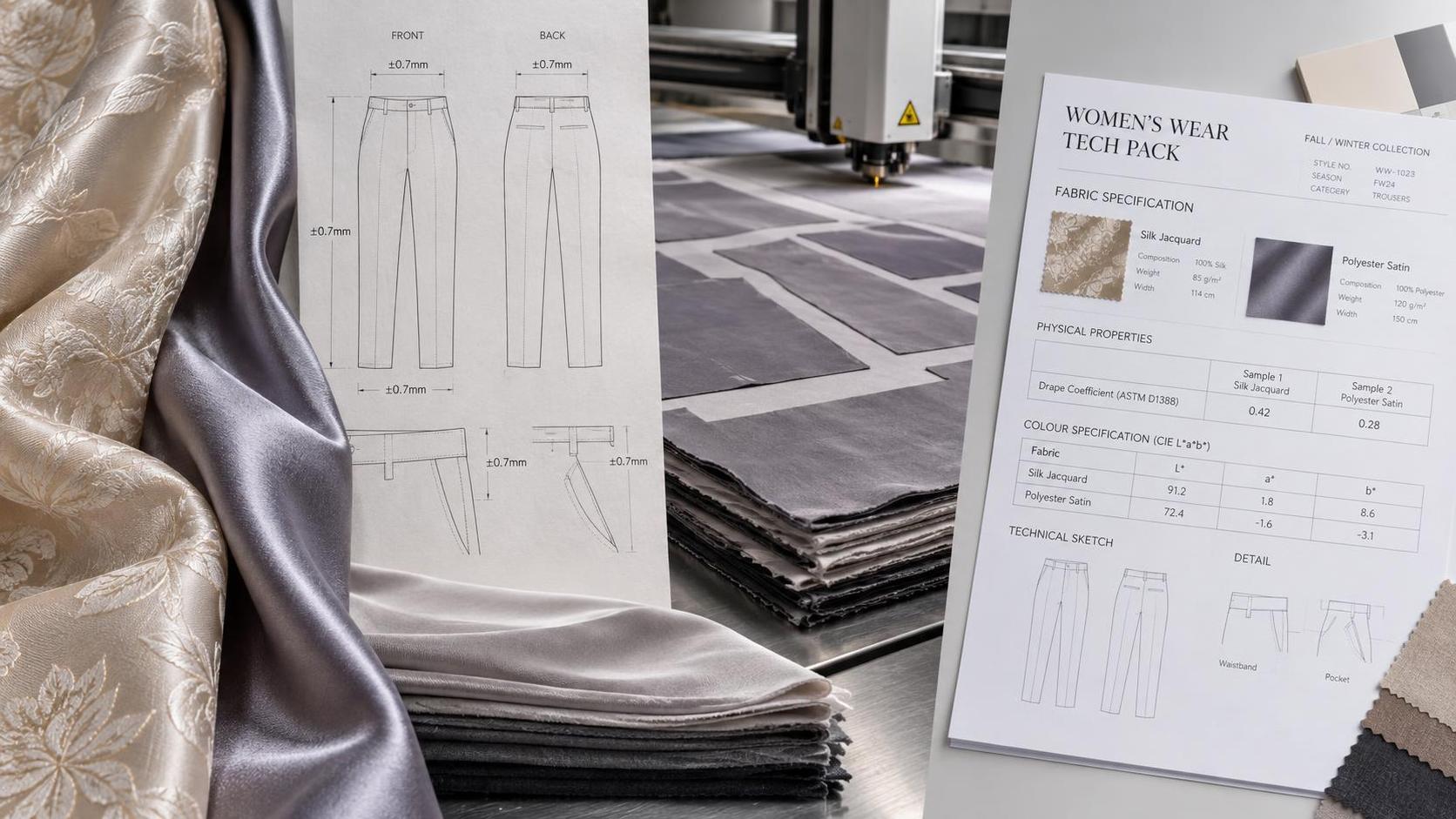
Custom Women's Clothing Production: How Fabric Choice, Fit Testing & Tech Packs Determine Final Cost Accuracy
Custom women's clothing cost accuracy starts with fabric choice, fit testing & tech packs—master these 3 pillars to slash budget overruns and boost production confidence.
Please give us a message
Contact Us