
Women's Shoes Buying Guide: How to Compare Comfort, Material, and Occasion
Choosing the right women’s shoes is about more than style—it means finding the perfect balance of comfort, material, and occasion. Whether you need everyday flats, office heels, or elegant pairs for special events, understanding what to compare can help you shop smarter. This guide will show you how to evaluate key features so you can pick shoes that look great, feel comfortable, and suit your lifestyle.
What makes shoe shopping frustrating for many women is not a lack of options, but too many options that appear similar at first glance. A pair may look elegant online, feel acceptable during a quick fitting, and still become unwearable after two hours outside. The real decision is not “Which pair is prettiest?” but “Which pair works for the way I actually move, stand, commute, and dress?”
That shift in thinking matters. Good women’s shoes should match your daily load on the body, your wardrobe habits, and the settings where you will wear them. Comfort, material, and occasion are the three most practical filters because they affect wear time, maintenance, and whether a purchase becomes a favorite or stays in the closet.
Comfort is not just softness
Many shoppers judge comfort by one quick test: whether the shoe feels soft when they first put it on. That is only a small part of the picture. A truly comfortable shoe performs well after walking, standing, climbing stairs, or spending a full day in mixed environments such as office floors, sidewalks, public transit, and restaurants.
When comparing women’s shoes, pay attention to five details:
- Toe box space: Your toes should not be compressed, especially at the big toe and little toe. Pointed shapes may look refined, but if the front narrows too aggressively, comfort drops fast.
- Arch support: Not everyone needs a highly structured insole, but a completely flat interior can cause fatigue during long wear.
- Heel stability: A low block heel often feels more secure than a thin high heel, especially on uneven surfaces.
- Cushioning and rebound: Shoes that absorb impact help reduce stress on the foot and lower leg, particularly for everyday use.
- Weight and flexibility: Lightweight designs can feel easier over a long day, but overly soft soles may lack support. Balance matters.
A practical fitting rule: do not judge shoes only while sitting or standing still. Walk, turn, and pause. If the heel slips, the forefoot pinches, or the shoe forces you to adjust your stride, that issue rarely improves enough to justify the purchase.
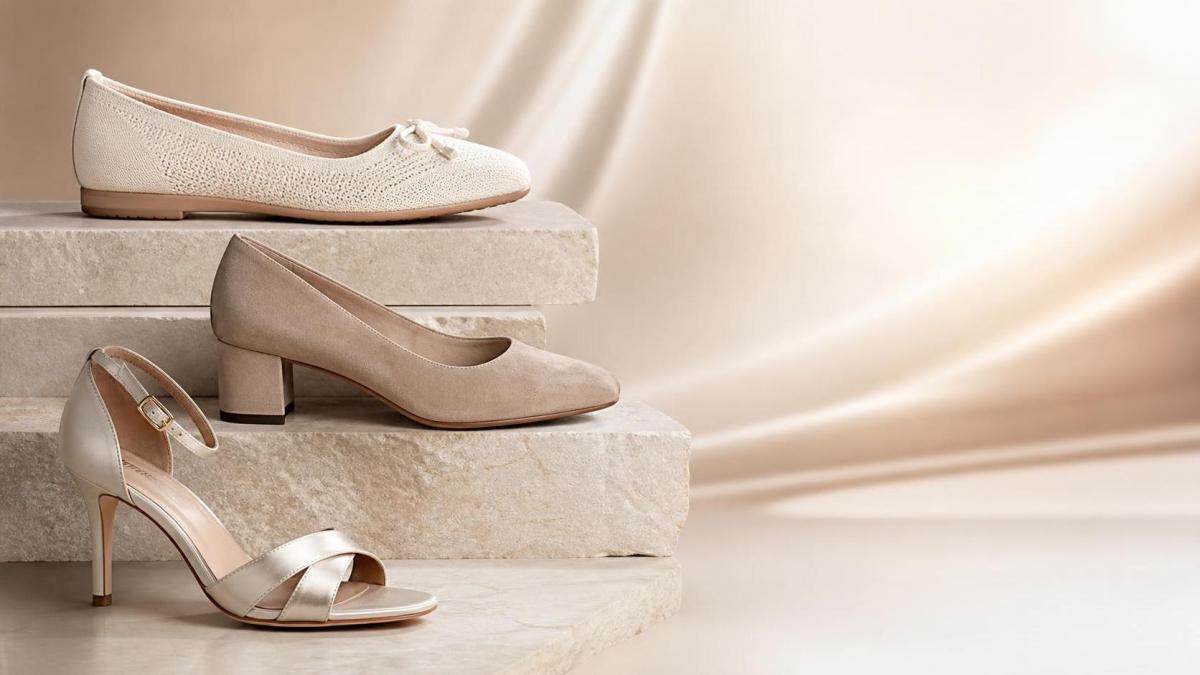
Material affects more than appearance
Material is often discussed in terms of luxury or trend, but for consumers, its bigger impact is on breathability, maintenance, durability, and seasonal suitability. The same shoe shape can feel completely different depending on what it is made from.
Leather remains a common choice because it can mold to the foot over time and often offers a polished look suitable for work and formal wear. But not all leather behaves the same way. Softer leather may feel comfortable early on, while firmer leather can hold structure better. Buyers should also consider care requirements, especially in wet climates.
Suede tends to look softer and more premium in fashion terms, but it is less forgiving in rain and needs more maintenance. It works best when visual texture matters more than weather resistance.
Synthetic materials vary widely. Some modern synthetics are lightweight, easy to clean, and visually close to leather. Others trap heat and crease quickly. The key is not to assume all artificial materials are lower quality, but to inspect finish, lining, stitching, and flexibility.
Mesh and knit uppers are especially relevant for casual and warm-weather women’s shoes because they improve airflow and reduce weight. Still, they may provide less structure for occasions that require a sharper silhouette.
There is also growing interest in recycled textiles and performance-inspired fashion materials. That matters not just in sportswear but across women’s wardrobe choices. For example, in apparel, recycled nylon is increasingly used to balance lighter wear, practical care, and a cleaner modern finish. A spring-summer dress such as ZL5589 Pra*26SS, made with recycled nylon and a premium matte finish, reflects the same buying logic many consumers now use for shoes: they want pieces that are easy to wear, visually refined, and suitable across more than one occasion.
Occasion should guide the trade-off
No shoe performs equally well everywhere. The mistake many consumers make is expecting one pair to cover commuting, office wear, dinner outings, weddings, and travel. Occasion is what helps you decide which compromise is acceptable.
For everyday wear, prioritize support, grip, and breathability over statement design. Flats, loafers, low sneakers, and low block heels usually outperform delicate styles because they can handle longer wear periods and more varied surfaces.
For office use, the best choice depends on commute and dress code. If your day includes walking between buildings or using public transportation, a medium heel with stable construction often makes more sense than a higher formal heel. Shoes for office wear should look clean and structured but not punish your feet before lunchtime.
For events and special occasions, appearance naturally carries more weight. Even then, fit should not be ignored. Weddings, banquets, and social events often involve more standing than expected. A slightly lower heel, better ankle hold, or softer lining can make a visible difference in confidence and posture.
For travel, think beyond outfit matching. Shoes that slip on easily, resist scuffing, and remain comfortable after long walking hours often prove more valuable than pairs chosen only for photos.
A useful question before buying is: “How long will I realistically wear this pair in one stretch?” Two hours, six hours, or a full day will lead to very different decisions.
How to compare heel types without guessing
Heel height gets most of the attention, but heel shape and placement are often more important. A 5 cm block heel may feel easier than a 3 cm narrow heel if the base is more stable and the foot sits more naturally.
Stilettos are visually elegant and elongate the leg, but they usually demand better balance and shorter wear periods.
Block heels distribute pressure more evenly and suit office, social, and semi-formal settings well.
Wedges provide broad support, though some can feel heavy if the sole is thick or stiff.
Kitten heels work well for shoppers who want polish without the strain of higher heels, but stability still depends on sole design and fit.
Instead of asking whether a heel is “high,” ask whether the shoe keeps your weight centered and your stride natural. If you feel pushed forward or forced onto the ball of your foot immediately, the design may be wrong for longer wear.
Common mistakes when buying women’s shoes online
Online shopping has made style access easier, but it has also increased poor-fit purchases. Product photos often highlight shape and outfit effect, not the details that determine real-world comfort.
Here are the common errors:
- Choosing based only on standard size without checking fit notes
- Ignoring upper material stretch or stiffness
- Assuming platform height reduces all pressure
- Overlooking outsole grip for smooth indoor surfaces or wet streets
- Buying occasion shoes with no realistic test plan before the event
If reviews mention narrow fit, heel slipping, or hard insoles repeatedly, take those comments seriously. In footwear, repeated complaints usually point to real design behavior rather than isolated preference.
It also helps to compare shoes with the outfits you actually wear most. A pair may be attractive on its own but awkward with your trouser length, skirt proportions, or daily bag-and-coat combinations. The strongest purchases usually fit into an existing wardrobe with minimal effort.
Why seasonality changes the right choice
The best women’s shoes for spring and summer are not always the best for autumn and winter. Seasonal buying should consider temperature, humidity, and the type of surfaces you encounter.
In warmer months, breathability, lighter colors, softer linings, and moisture management become more important. Closed shoes can still work, but materials need to reduce heat buildup. Open designs may feel better in dry weather, yet they are not always practical for urban commuting.
During cooler or wetter seasons, structure and protection matter more. Materials that resist moisture, soles with better traction, and slightly roomier fits for socks can improve overall wearability.
Seasonal dressing also affects shoe pairing. Flowing skirts, lightweight dresses, and relaxed tailoring often pair best with shoes that do not look visually heavy. That is one reason many shoppers build outfits by balancing silhouette across categories. A sporty-luxe dress with a V-neck, half-zip styling, and an A-line shape like ZL5589 Pra*26SS may naturally call for sleek flats, low-profile sneakers, or clean low heels rather than bulky footwear, depending on whether the look is for daytime city wear, casual office dressing, or weekend social use.
What is actually worth paying more for
Not every expensive pair is better, but some features justify a higher price because they improve wear life and user experience. Better internal lining, stronger sole attachment, more consistent sizing, and more thoughtful footbed design usually matter more than decorative hardware.
If you wear a pair often, cost per wear becomes a practical way to judge value. A moderately priced shoe that stays comfortable and presentable through repeated use is often a better buy than a cheaper pair that causes pain or loses shape quickly.
Pay more attention to:
- Stitching consistency
- Clean bonding at the sole edge
- Lining smoothness inside the heel and toe area
- Outsole texture and traction
- Symmetry between left and right shoe
These are small details, but they often separate shoes that merely look good in a listing from shoes that function well in real life.
Making the final decision
If you are choosing between several pairs, the simplest method is to rank them against your actual use case rather than their visual appeal alone. Ask:
- Can I wear this for the amount of time I need?
- Does the material suit my climate and maintenance habits?
- Does the style match the occasions I really attend?
- Will it work with at least three outfits I already own?
- Am I buying it for my lifestyle, or for an idealized version of it?
That last question is often the most revealing. The best women’s shoes are rarely the pair that wins only in photos. They are the pair that continues to make sense after the commute, after several hours on your feet, and after repeated use with your everyday wardrobe. When comfort, material, and occasion are compared honestly, better buying decisions become much easier.

What Is Women's Ready-to-Wear, and How Does It Differ From Made-to-Measure?
Explore women's ready-to-wear vs. made-to-measure: compare fit, quality, cost, and timing to find the right option for your wardrobe. Discover what to check before buying.
Full Package Garment Production: What's Included and Which Costs Are Extra?
Full package garment production: discover what’s included, which costs are extra, and how to compare supplier quotes to avoid hidden fees and protect your womenswear margins.
Fashion Accessories Production: From Approved Samples to Consistent Bulk Quality
Improve fashion accessories production with proven sample, material, and inspection controls. Discover practical ways to reduce defects and deliver consistent bulk quality.


{item.title}
{item.description}
Please give us a message
Contact Us