
Why women's knitwear orders get delayed
Why women's knitwear orders get delayed
Industry estimates suggest that in 2025, about 34% of China's women's knitwear export orders experienced at least one delay of 14 days or more. The causes are rarely what buyers expect.
Cause 1: Yarn availability, not machine capacity.
Most factories can knit the goods. But if the required yarn—especially cashmere, extra-fine merino, or specialty blends—is not in stock, production stops. Yarn lead time can be 15–30 days on its own. Factories that do not reserve yarn before confirming your order are gambling with your deadline.
Cause 2: Sampling loops.
Every sample revision adds 5–10 days. If the factory outsources pattern making, each loop can take two weeks. Three revisions and you have lost a month before bulk production even starts.
Cause 3: Chinese New Year and peak season congestion.
January to February is a black hole. Factories close for 2–4 weeks. Ports slow down. Even if production finishes, logistics can add 10–14 days. Orders placed in November for February delivery are the most vulnerable.
The 7 checkpoints from inquiry to delivery
Instead of asking "what is your lead time," manage these seven points.
1. Yarn reservation (Day 0–3)
Ask: Is the yarn in stock? If not, how many days to receive it? Get this in writing. A factory that says "we will check" is a risk.
2. Tech pack clarity (Day 1–5)
A complete tech pack—sketch, size chart, fiber content, gauge, color standards—prevents sampling loops. Incomplete specs cause revisions.
3. Sampling and approval (Day 5–18)
Target 7–14 days. If the factory has in-house pattern makers, it is faster. Ask who makes the sample.
4. Pre-production meeting (Day 18–20)
Confirm yarn arrival, machine schedule, and QC checkpoints. Get a written production schedule with dates.
5. Bulk production (Day 20–50)
Standard: 30–45 days. Quick replenishment: 25–35 days. Ask for weekly progress photos.
6. Quality inspection (Day 50–55)
Third-party inspection or live video audit. Check measurements, colorfastness, and pilling.
7. Shipping and documentation (Day 55–60)
Confirm booking, customs, and delivery. Add buffer for port congestion.
How to shorten lead time without sacrificing quality
Dual-source your order.
Split 500 pieces between two factories in different regions—for example, 300 in Dongguan, 200 in Hangzhou. If one is delayed, the other keeps you in stock. This also gives you backup capacity for reorders.
Reserve yarn before peak season.
In August, lock in yarn for your autumn/winter collection. In February, lock in yarn for spring/summer. Pay a deposit if needed. Yarn is the most common bottleneck.
Use factories with in-house pattern makers.
Outsourced sampling adds 7–14 days per loop. In-house pattern makers cut that in half.
Choose the right region for your timeline.
Guangdong factories are fastest for quick replenishment—often 25–35 days. Zhejiang is better for complex stitches but may need 35–45 days. Hebei and Inner Mongolia are strong for wool but slower in peak season.
Plan around Chinese New Year.
Place orders by early November for delivery before February. Or wait until March. Do not schedule production during the shutdown.
A real example: from 48 days to 31 days
A Shenzhen-based DTC brand, Luna Knits, was launching a 12-piece women's knitwear capsule. Their first order took 48 days from sample approval to delivery. The factory was reliable but slow—yarn arrived late, sampling took three rounds, and production started after a holiday.
For the second drop, they changed three things:
Reserved yarn 45 days before production
Split the order between two factories: 60% in Dongguan, 40% in Hangzhou
Hired a local sourcing agent to do weekly video audits
Result: 31 days from sample approval to delivery. They restocked twice during the season and missed zero sales days.
FAQ
Q1: What is a realistic lead time for women's knitwear in 2026?
Standard: 45–60 days. Quick replenishment: 25–40 days. Add 2–3 weeks around Chinese New Year.
Q2: How can I tell if a factory has yarn in stock?
Ask for a photo of the yarn warehouse with your specific yarn lot number. Or request a sample yardage before placing the bulk order.
Q3: Is dual-sourcing more expensive?
Unit price may be 2–5% higher due to lower volume per factory. But the cost of missing a sales season is far higher. Most brands find dual-sourcing pays for itself.
Q4: What causes most sampling delays?
Incomplete tech packs and outsourced pattern making. Provide clear specs and choose factories with in-house pattern makers.
Q5: Can I expedite production with a rush fee?
Some factories offer rush service for 10–20% surcharge. But it only works if yarn is available and machines have capacity. Do not rely on it during peak season.
Q6: How do I verify progress during production?
Ask for weekly photos or video calls showing the knitting floor, linking section, and finished goods. A factory that resists transparency is a risk.
Summary: Late women's knitwear orders are usually caused by yarn shortages, sampling loops, or holiday congestion—not machine capacity. Manage the seven checkpoints, reserve yarn early, dual-source your order, and choose factories with in-house pattern makers. In 2026, lead time is a competitive advantage. Brands that ship on time win the season.
Previous:No more content
Next:No more content

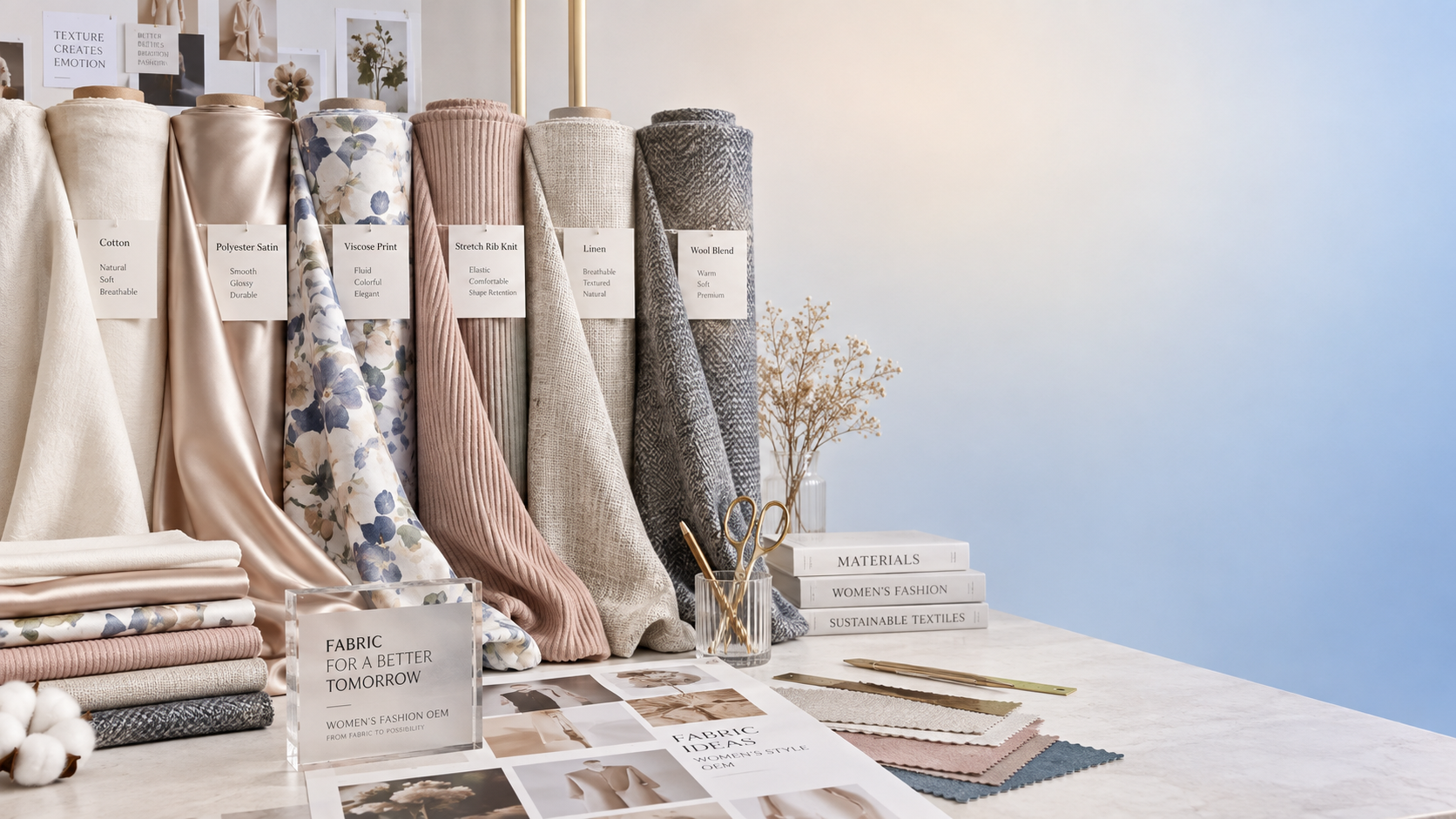
What Fabrics Are Commonly Used in Women’s Clothing OEM Production?
What fabrics are commonly used in women's clothing OEM production? Explore cotton, polyester, viscose, knits, and blends for better fit, quality, and value.

Why women's knitwear orders get delayed
Learn why women's knitwear orders are delayed by yarn shortages, sampling revisions, and Chinese New Year congestion. Use seven production checkpoints, early yarn reservations, dual sourcing, and progress checks to protect delivery timelines.
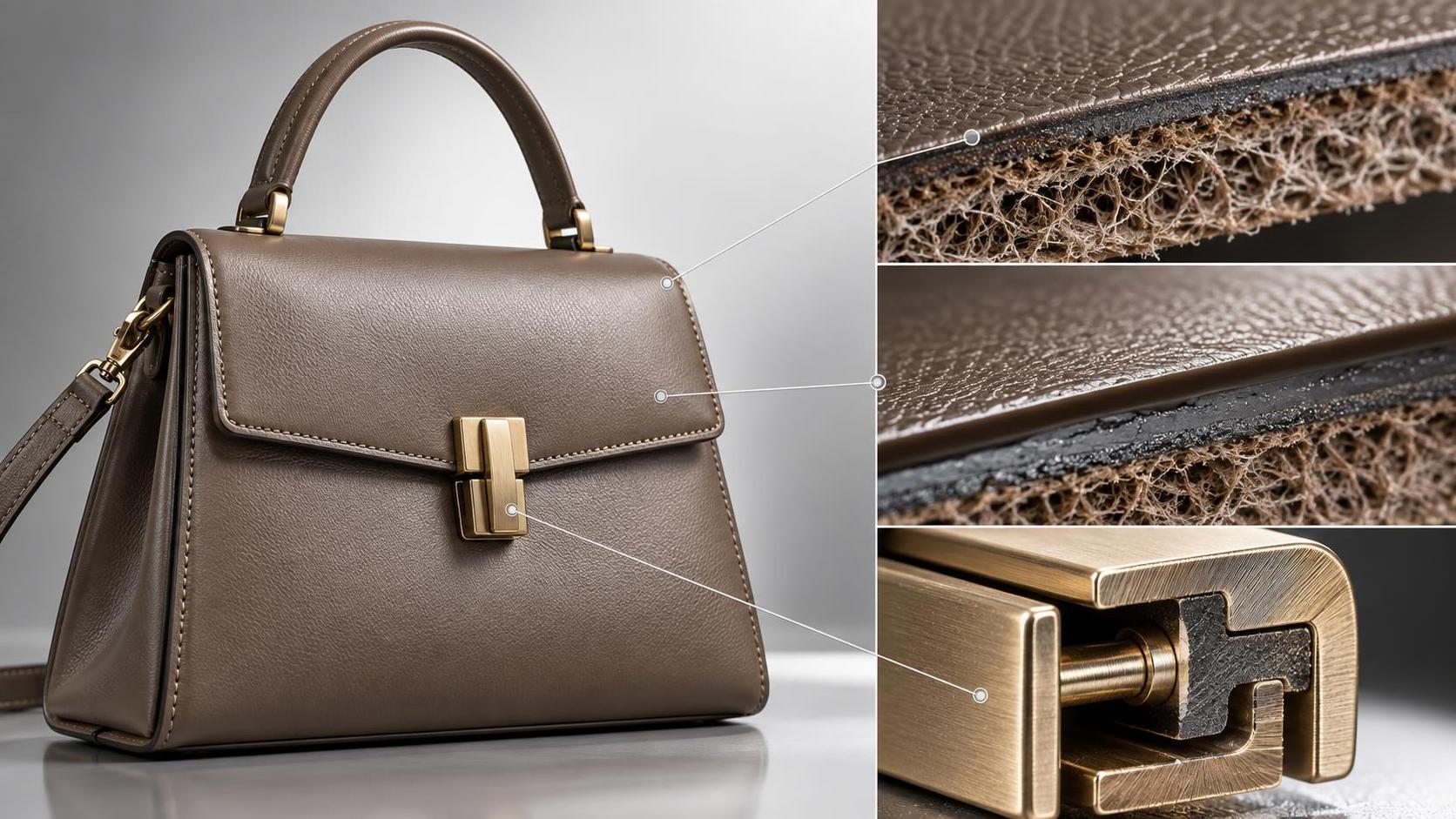
What makes high-end women's fashion bags resistant to seasonal material degradation?
Discover how high-end women's fashion bags resist seasonal degradation—material science, vertical integration & real-world validation revealed.


{item.title}
{item.description}
Please give us a message
Contact Us