
Do High-End Women’s Apparel Factories Accept Custom Pattern Making
Yes, many high-end women’s apparel factories do accept custom pattern making, but acceptance usually depends on the complexity of the garment, the clarity of the design information, the expected order structure, and the factory’s internal technical capacity. In premium womenswear, custom pattern making is not a side task added after sampling. It is often the stage where silhouette, balance, fit, fabric behavior, and production feasibility are decided together. A factory that handles this work seriously will usually review sketches, reference garments, fabric composition, drape, trim weight, and target measurements before confirming whether a style can move into development.
The question “Do high-end women’s apparel factories accept custom pattern making” often comes from a misunderstanding that a factory only follows ready-made tech packs. In practice, higher-end clothing production frequently starts with incomplete inputs. A design may exist as a hand sketch, a photo reference, a marked sample, or a mood-based concept with only key dimensions defined. Custom pattern making exists to convert that concept into a workable block, then into a production pattern that can be sewn repeatedly without distorting the intended shape.
What “accept custom pattern making” usually means in apparel production
In women’s fashion, custom pattern making can refer to several different levels of work. Sometimes it means building a first pattern from a sketch. In other cases, it means modifying an existing base block to match a new neckline, shoulder line, sleeve volume, skirt sweep, or waist position. It may also mean correcting a designer sample that looks right on a mannequin but fails when graded into multiple sizes or sewn in the actual fabric.
Factories that work on high-end styles generally look at pattern making as a technical process rather than a simple drawing service. The pattern must consider seam allowance strategy, grainline direction, fabric shrinkage, lining compatibility, interfacing support, zipper installation, ease distribution, and pressing sequence. A bias-cut satin slip dress, for example, cannot be patterned and handled the same way as a bonded tweed jacket or a compact knit dress with decorative seaming.
That is why some factories say yes to custom pattern making only after a development review. They may accept a structured blazer, a pleated dress, or a wool coat, but decline a style that requires unsupported couture-level hand shaping, unstable fabric manipulation, or highly experimental construction outside their regular process.
Why high-end factories are more selective about custom pattern work
Custom pattern making at the premium level creates responsibility for both fit and manufacturability. If the shoulder collapses, the armhole bites, the hem torque appears after washing, or the lining pulls the shell out of shape, the issue is often traced back to development decisions rather than sewing alone. Because of that, high-end factories usually examine the style more carefully than low-cost mass producers that only quote against a finished pattern.
Several factors affect whether a custom pattern request is realistic:
- Fabric behavior. Silk charmeuse, cupro, viscose crepe, wool double-face, boucle, and stretch ponte all respond differently in pattern development. A clean shape on paper may not hold once the fabric is cut and pressed.
- Construction tolerance. A style with topstitched princess seams and visible edge finishing leaves little room to hide pattern imbalance.
- Order continuity. If a style is expected to repeat across seasons, the factory may invest more effort in building a stable block and correction record.
- Trim interaction. Heavy buttons, chain trims, shoulder pads, hidden zippers, molded cups, and fusible components can change hang and fit.
When people ask, “Do high-end women’s apparel factories accept custom pattern making,” the practical answer is often yes, provided the garment can be developed into a stable sample and then reproduced at bulk level without losing the intended finish.
Inputs that make custom pattern making possible
A factory can usually work faster and with fewer sample rounds when the starting information is specific. That does not mean every project needs a fully engineered tech pack, but the technical team normally needs enough direction to distinguish style intent from accidental proportion.
Useful inputs may include flat sketches with front and back views, target garment measurements, body measurement standards, reference photos, stitch details, fabric swatches, lining requirements, closure type, and comments on where the garment should sit on the body. For a dress, this could include bust point position, waist seam level, skirt fullness, and desired sleeve pitch. For tailoring, chest ease, shoulder expression, lapel roll, and hem break become more important.
Without these details, pattern making turns into guesswork. A sketch of a draped blouse may look simple, but the factory still has to decide whether the drape comes from slash-and-spread volume, cowl extension, bias placement, or soft gathers released from the shoulder or neckline. Each method produces a different fall, consumption level, and sewing sequence.
Pattern development is tied to sampling, not isolated from it
In high-end womenswear, a custom pattern is rarely judged only on paper dimensions. It has to pass through a sample room, where the first prototype reveals whether the pattern actually produces the intended silhouette. The first sample may expose issues that are invisible in the pattern file: a collar that flips backward, a skirt front that kicks out, a sleeve head that looks too aggressive for a soft fabric, or a concealed placket that bubbles after fusing.
This is where experienced factories differ from basic cut-and-sew operations. Pattern correction happens alongside material testing, sewing method adjustment, and pressing trials. A pattern for a linen-viscose blend may need extra allowance for relaxation after steam. A wool blend jacket may need internal support repositioned so the front edge does not grow. A knit dress with a high elastane ratio may need negative ease reduced because the actual recovery is weaker than expected.
In that sense, accepting custom pattern making also means accepting sample revision work. A factory that only agrees to make one paper pattern without fitting, correction, or sewing feedback is not really providing full development support.
Common garment categories where custom pattern making is often requested
High-end women’s apparel factories are more likely to receive custom pattern requests in categories where fit, drape, and silhouette define the value of the garment. Dresses are one of the most common examples because waist placement, bust shaping, and skirt movement strongly affect the final look. Blazers and coats also require custom development due to structure, lining engineering, collar balance, and sleeve mobility.
Other frequent categories include:
- blouses in silk, satin, georgette, or crepe, where neckline shape and transparency handling matter;
- fashion skirts with pleats, godets, wraps, or asymmetrical hems;
- knitwear-linked cut-and-sew hybrids that combine panels with different stretch behavior;
- occasionwear using lace, mesh, sequins, or bonded layers that must align correctly during cutting.
Trousers can also require custom pattern making, especially in premium styles with a specific rise, leg shape, and waistband construction. Women’s trousers are often underestimated because they appear simple when laid flat. In production, seat shape, crotch extension, thigh ease, and fabric growth under sitting stress can change comfort and appearance significantly.
Where custom pattern making becomes difficult
Factories may hesitate when a style depends on a showroom sample that was pinned, clipped, or hand-finished in ways that cannot be repeated in production. They may also be cautious if the fabric source is unstable. A pattern cannot be finalized confidently when the actual bulk fabric weight, width, shrinkage, or stretch direction is still uncertain.
Some typical problem areas include extremely lightweight silk with seam slippage risk, open-weave boucles that fray during cutting, heavily embellished mesh that cannot be corrected after stitching, and faux leather that shows permanent needle marks. In such cases, pattern making is inseparable from material limitation. The design may still be possible, but only with changed seam placement, added support, different facing treatment, or reduced shaping.
Another common misjudgment is assuming that a custom pattern can fix every fit issue across all body shapes. Pattern making can establish a strong base size and a workable grade, but no factory can guarantee that one pattern will flatter every proportion equally, especially in close-fitting garments without stretch. Premium development improves consistency; it does not remove the limits of size grading.
Digital patterns and manual corrections often work together
Custom pattern making in modern apparel factories often combines CAD systems with manual fitting judgment. The initial block may be drafted digitally, but corrections frequently come from toile review, sample fitting, and direct visual assessment on a body form or live fit model. This is particularly true for women’s garments with draped fronts, dropped shoulders, or asymmetrical balance lines, where a mathematically neat pattern can still look wrong once sewn.
Digital tools help with grading, marker planning, measurement control, and storage of revised versions. Manual skill remains important when adjusting bust shaping, redistributing volume, controlling drag lines, or correcting how the garment hangs after pressing. A factory that accepts custom pattern making but lacks this judgment may produce technically accurate files that still fail aesthetically.
Fabric sourcing affects pattern decisions earlier than many expect
Even when the design sketch is approved, pattern development may pause until fabric is confirmed. The reason is straightforward: weight, density, fiber blend, and finish determine how much structure the pattern needs. A boxy cropped jacket in compact wool can hold a shorter shoulder line and cleaner body. The same pattern in soft brushed twill may collapse unless ease, support, or seam placement changes.
For dresses and blouses, opacity also matters. A light-colored crepe may require partial lining, self-facing, or doubled layers, which then changes edge thickness and neckline behavior. If a garment includes washing, garment dye, sanding, or any finishing treatment that affects dimensions, the pattern usually needs an allowance strategy from the start.
This is why experienced factories often ask for actual swatches before committing to final pattern approval. A generic note such as “satin” or “wool blend” is rarely enough for precise custom development.
Sampling rounds are normal, especially in premium womenswear
One sample is often not enough when the request involves custom pattern making. A first prototype may verify shape, but the second sample may be needed to correct fit, refine internal finishing, or test the garment in the intended fabric rather than a substitute. In higher-end categories, there may also be a pre-production sample used to confirm grading, trim placement, label position, pressing standards, and measurement tolerance before bulk cutting begins.
That does not indicate poor pattern making. It usually reflects the reality that refined garments need adjustment in motion, not just on a hanger. Sleeve rotation, neckline stability, hip clearance, and pocket placement are easier to judge on a sewn sample than in a flat file.
A common mistake is treating sample revision as an avoidable delay. In fact, custom pattern making without revision often shifts problems into bulk production, where correction becomes slower and more expensive.
Questions that reveal whether a factory truly handles custom pattern making
It is usually possible to tell from technical discussion whether a factory genuinely develops patterns or simply traces references. Useful questions focus on process rather than promotion. Can the team build from sketch only, or do they require an existing sample? How do they handle fitting comments? Will they adjust patterns after testing the actual fabric? Are grading rules created from the new base pattern or copied from an unrelated block? How are difficult areas such as collar roll, sleeve pitch, waistband stability, and lining ease checked before bulk production?
The answers matter because custom pattern making is not one single file. It includes a chain of decisions: base size drafting, seam and allowance logic, fit correction, grading, pattern notation, and cutting readiness. If one link is missing, the garment may look acceptable in a showroom sample but fail during repetition.
So, do high-end women’s apparel factories accept custom pattern making?
Yes, many do, and in premium womenswear it is often a normal part of development rather than a special exception. The real distinction is not whether custom pattern making is available in name, but whether the factory can connect pattern work to fabric behavior, sampling, fit correction, and bulk reproducibility. When that connection is strong, a sketch or concept can become a garment with stable proportions, cleaner construction, and fewer surprises during production.
If that connection is weak, “custom pattern making” may amount to a first draft with no dependable path to final production. In high-end clothing, the pattern is where design intent begins to meet physical reality, and that meeting point determines far more than the outline of the garment.
Previous:No more content
Next:No more content

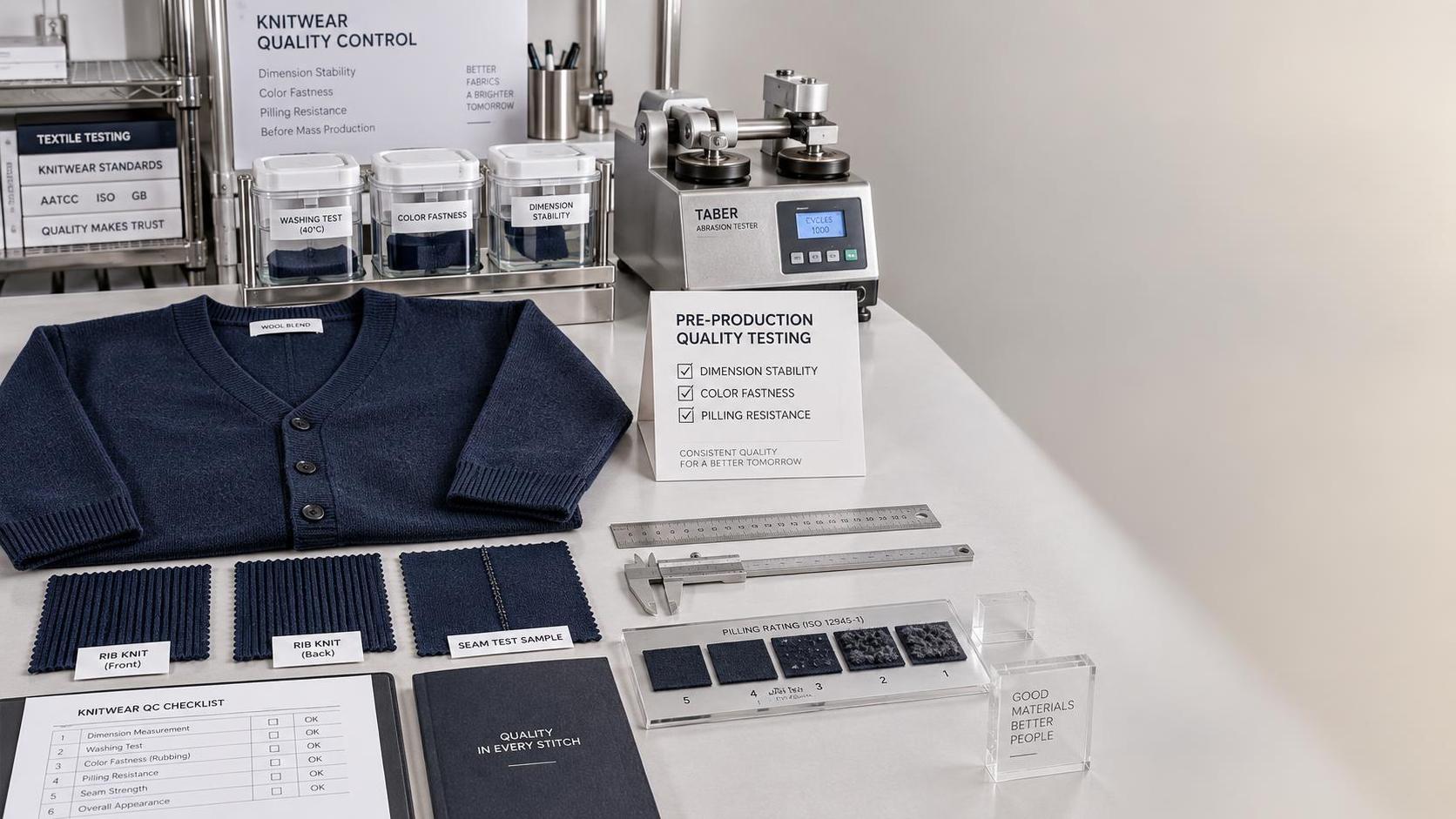
Private Label Knitwear Quality Control: Tests to Set Before Production Starts
Private label knitwear quality control guide: set pre-production tests for fiber content, shrinkage, colorfastness, pilling, seams, and compliance.
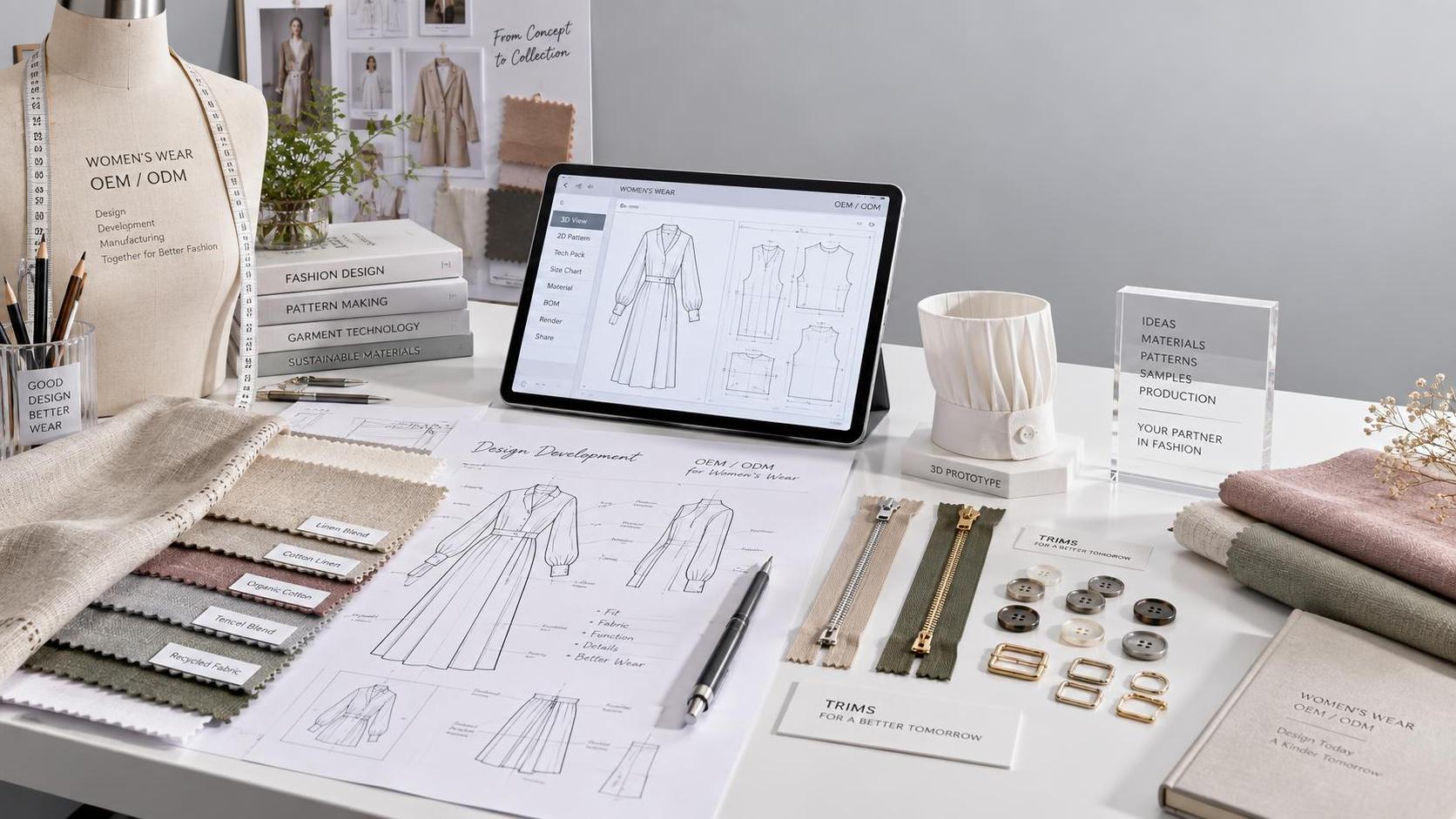
Do women's clothing OEM factories provide design development support for new collections?
Do women's clothing OEM factories offer design support for new collections? Discover how top-tier partners like Meiwuzhi integrate design into production—speeding up development, improving fit, and reducing revisions.
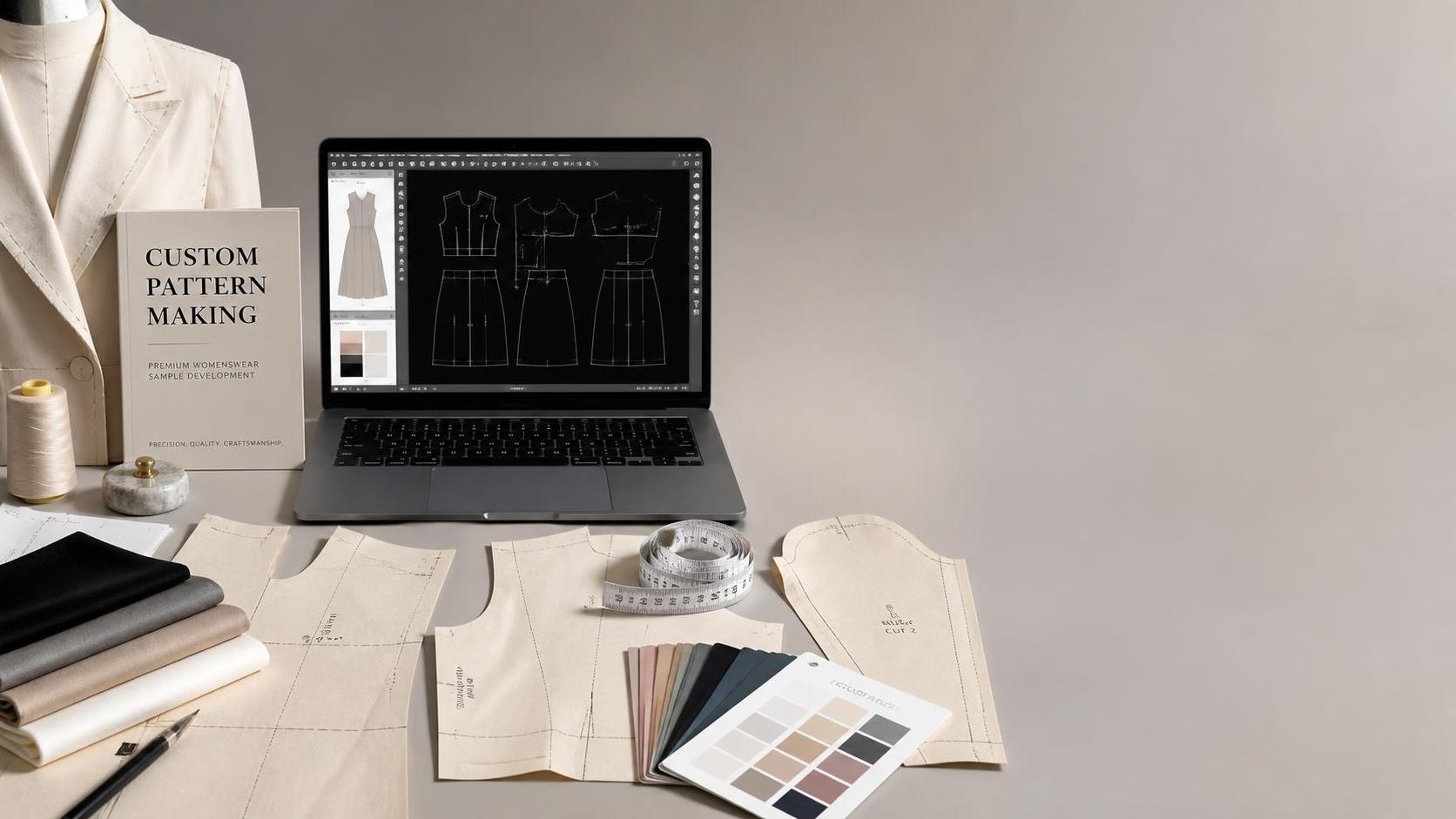
Do High-End Women’s Apparel Factories Accept Custom Pattern Making
Do high-end women's apparel factories accept custom pattern making? Yes—when fabric, fit, and sampling align. Learn what premium factories require and how to improve development success.

{item.title}
{item.description}
Please give us a message
Contact Us