
Cost Factors Behind High-End Women's Apparel Suppliers in China
For finance decision-makers evaluating a high-end women's apparel supplier China market, understanding the real cost drivers is essential to balancing quality, margin, and supply stability. From design capability and fabric sourcing to multi-factory coordination and inventory responsiveness, premium pricing often reflects measurable operational value. This article breaks down the key cost factors behind China’s upscale women’s apparel supply chain to support smarter sourcing decisions.
In premium womenswear sourcing, the difference between a low quote and a reliable quote often appears later in the form of rework, unstable quality, delayed launches, or excess inventory. For finance teams, the task is not simply to compare unit prices, but to evaluate total cost of ownership across product development, production consistency, delivery speed, and sell-through potential.
This is especially relevant when assessing a high-end women's apparel supplier China buyers may consider for long-term cooperation. Suppliers with integrated development resources, disciplined factory coordination, and responsive replenishment systems usually carry higher upfront costs, yet they can reduce hidden losses across 3 to 5 key financial areas: defect risk, markdown pressure, stockouts, lead-time slippage, and communication inefficiency.
Why Premium Womenswear Costs More Than Standard Garment Supply
A high-end women's apparel supplier China market participants trust typically builds cost into the product long before bulk sewing starts. Design interpretation, pattern precision, trimming development, fabric drape control, and fit consistency all require more labor hours than basic commodity apparel.
In the women’s fashion segment, a premium top, dress, or knit style may go through 2 to 4 rounds of sampling before approval. Each round can involve changes to neckline proportion, shoulder drop, sleeve balance, color tone, and accessory placement. Those revisions increase development costs, but they also reduce the risk of large-volume mistakes.
Design and pattern making are cost centers, not overhead waste
Finance approvers often ask why premium suppliers charge more for styles that seem visually simple. The answer is that upscale women’s apparel depends heavily on pattern making accuracy. A loose silhouette, draping fabric, or clean crew neck shape may look minimal, yet small errors of 0.5 cm to 1.5 cm can noticeably affect fit, hang, and return rates.
When a supplier controls design, pattern development, accessory preparation, knitting processing, and bulk production under a coordinated structure, the cost is higher than a pure sewing workshop. However, the probability of misalignment between sketch, sample, and final goods is lower, which matters for buyers managing margin forecasts.
Fabric selection drives both price and brand positioning
Fabric is often the largest single cost component in high-end women’s apparel, accounting for roughly 35% to 55% of total garment cost depending on category. Premium draping materials, stable dyeing results, and better hand feel are not just aesthetic upgrades; they influence shrinkage, seam behavior, and repeat order satisfaction.
For example, a wardrobe staple tee designed to pair with jeans or blazers may still require higher-grade fabric to deliver softness, surface texture, and a cleaner fall after repeated wear. A sample such as ZT5181 LV* 26Ss illustrates how a short-sleeve, crew neck, loose silhouette item can carry premium value through material touch, light gold gradient appearance, and refined chest detailing rather than through complex construction alone.
The table below outlines the major cost layers that usually separate premium women’s apparel sourcing from standard fashion manufacturing.
For a finance decision-maker, the key conclusion is clear: premium pricing is often a structured cost allocation toward risk prevention. The more brand-sensitive the category, the less effective it is to approve suppliers based on factory price alone.
How Supply Chain Structure Influences Supplier Cost
The operating model behind a high-end women's apparel supplier China buyers shortlist has a direct effect on cost and resilience. A supplier with one small sewing site and outsourced development will usually quote differently from a company managing its own factory functions while coordinating multiple partner factories across production regions.
Shenzhen Meiwuzhi Garment Co., Ltd. presents a useful example of this structure. Its own factory in Changping Town, Dongguan, supports design, pattern making, accessory production, knitting processing, and bulk garment production, while cooperation extends to more than 10 factories across Dongguan, Zhongshan, Suzhou in Guangdong, and Suzhou in Jiangsu. This kind of distributed capacity generally raises coordination cost, but it also improves category flexibility and order allocation options.
Multi-factory coordination adds cost, but supports continuity
When orders are placed across several factories, the supplier must manage production planning, material synchronization, workmanship consistency, and inspection standards. These tasks require merchandisers, production controllers, and quality teams. The result is more management overhead per order, especially for runs below 300 to 500 pieces per style.
Yet for buyers concerned with delivery risk, multi-factory systems can be financially safer than single-site dependence. If one workshop faces labor shortages, machine bottlenecks, or a 5 to 7 day delay, volume can often be reassigned. That flexibility protects launch calendars and reduces the cost of missed retail windows.
What finance teams should verify
- Whether sample development and bulk production are managed under one approval workflow
- Whether fabric, trims, and labels are centrally controlled across factories
- Whether AQL or internal inspection checkpoints exist at inline and final stages
- Whether replenishment orders can be inserted within 7 to 15 days for best-selling SKUs
Showroom and distribution systems also carry real cost
A premium supplier serving both physical stores and online wholesale channels often invests in more than manufacturing. Showroom operations, style launches, stock display, order guidance, and digital sales support all increase operating expenses, but they may also improve demand feedback and inventory turnover.
Meiwuzhi’s Tchu showroom in Nanshan District, Shenzhen, is used to present new styles and in-stock items to clothing retailers and online wholesalers nationwide. Over 12 years on Alibaba, the business reports sales exceeding RMB 350 million, more than 130 cooperative physical stores, and over 45,000 online WeChat business partners and store clients. These figures do not automatically mean lower cost, but they do suggest a mature commercial infrastructure behind the quote.
The next table shows how different supply chain models usually affect cost and procurement risk in the women’s apparel sector.
For financial approval, integrated capacity usually justifies a higher rate when order plans involve multiple SKUs, seasonal updates, or frequent repeat buys. The added cost is often tied to execution control rather than excess markup.
The Hidden Cost Drivers Finance Teams Often Miss
In apparel sourcing, the quoted FOB or ex-factory price is only one line item. Hidden costs often emerge after approval, especially when supplier capability does not match product positioning. For a high-end women's apparel supplier China procurement review, these hidden items should be modeled before purchase sign-off.
Inventory responsiveness affects markdown risk
Premium women’s fashion is sensitive to timing. If a supplier needs 45 to 60 days for every repeat order, a fast-selling style may run out before replenishment arrives. If a supplier forces large MOQs to lower unit cost, the buyer may end up carrying overstock into discount periods.
A better financial model is often to accept a slightly higher unit cost in exchange for smaller first orders, faster reorders, and cleaner inventory turns. This is especially useful for categories with color variation, premium trims, or trend-sensitive silhouettes.
Communication depth reduces approval waste
A supplier able to communicate fabric behavior, fit tolerance, and production trade-offs early can save one or two sampling rounds. That may shorten development by 7 to 14 days and reduce internal review burden across buying, design, and finance teams. Cheap quoting without technical clarity often shifts cost into delays and rushed corrections.
Product detail complexity changes labor economics
Even a tee can become a premium item if the fabric drapes well, the chest motif is accurately positioned, and the final appearance supports a retro-luxury mood. In styles available in S, M, and L, consistency across sizes matters. The labor cost difference may not come from the number of seams, but from the inspection attention needed to keep the silhouette stable from sample to bulk.
This is why finance reviewers should ask not only “What is the price?” but also “What process elements are protecting margin?” In many cases, comfort, texture, and finish quality are what allow retailers to preserve price integrity at the sell-through stage.
A Practical Evaluation Framework for Supplier Approval
To evaluate a high-end women's apparel supplier China sourcing project more accurately, finance teams should use a multi-factor review rather than a lowest-price comparison. A 4-part framework usually works well for premium apparel procurement.
1. Development capability
Check whether the supplier can handle design interpretation, sample adjustments, and pattern corrections in-house. A capable team typically reduces style failure rates and shortens approval cycles from 4 weeks to around 2 to 3 weeks for straightforward tops and tees.
2. Material and trim control
Ask for fabric performance expectations, such as hand feel consistency, color matching stability, and likely shrinkage range after finishing. Premium positioning often depends on these details more than on visible decoration.
3. Capacity and replenishment flexibility
Confirm whether the supplier can support staggered orders, urgent top-up runs, and style diversification. For brands with 10 to 30 active seasonal SKUs, flexible allocation can be more valuable than the lowest per-piece price.
4. Channel understanding and sell-through alignment
Suppliers connected to physical retail and digital wholesale channels often understand which details influence reorder behavior. That insight can shape more commercially viable products, including staple tops with balanced comfort and premium texture, similar to ZT5181 LV* 26Ss, which is positioned as a timeless wardrobe staple that works well with jeans or blazers.
Recommended approval checklist
- Review sample-to-bulk process and expected revision rounds
- Assess fabric and trim sourcing depth for premium categories
- Confirm lead time for first order and replenishment order separately
- Map quality checkpoints and defect handling responsibilities
- Compare unit price against markdown risk, stockout risk, and return risk
Premium sourcing decisions become more rational when finance approval reflects operational value, not just landed cost. In women’s apparel, the supplier that looks more expensive on paper may be the one that protects profitability across the full selling cycle.
For buyers evaluating long-term cooperation, Shenzhen Meiwuzhi Garment Co., Ltd. stands out through its combination of in-house development functions, coordinated factory network, showroom support, and established wholesale reach. These factors are relevant when the goal is stable quality, controlled lead time, and stronger inventory responsiveness in the high-end women's apparel supplier China market.
If you are reviewing premium womenswear sourcing options and need a more practical cost breakdown by product type, order size, or delivery schedule, contact us to get a tailored sourcing plan, discuss product details, and explore more high-end apparel solutions.
Previous:No more content
Next:No more content

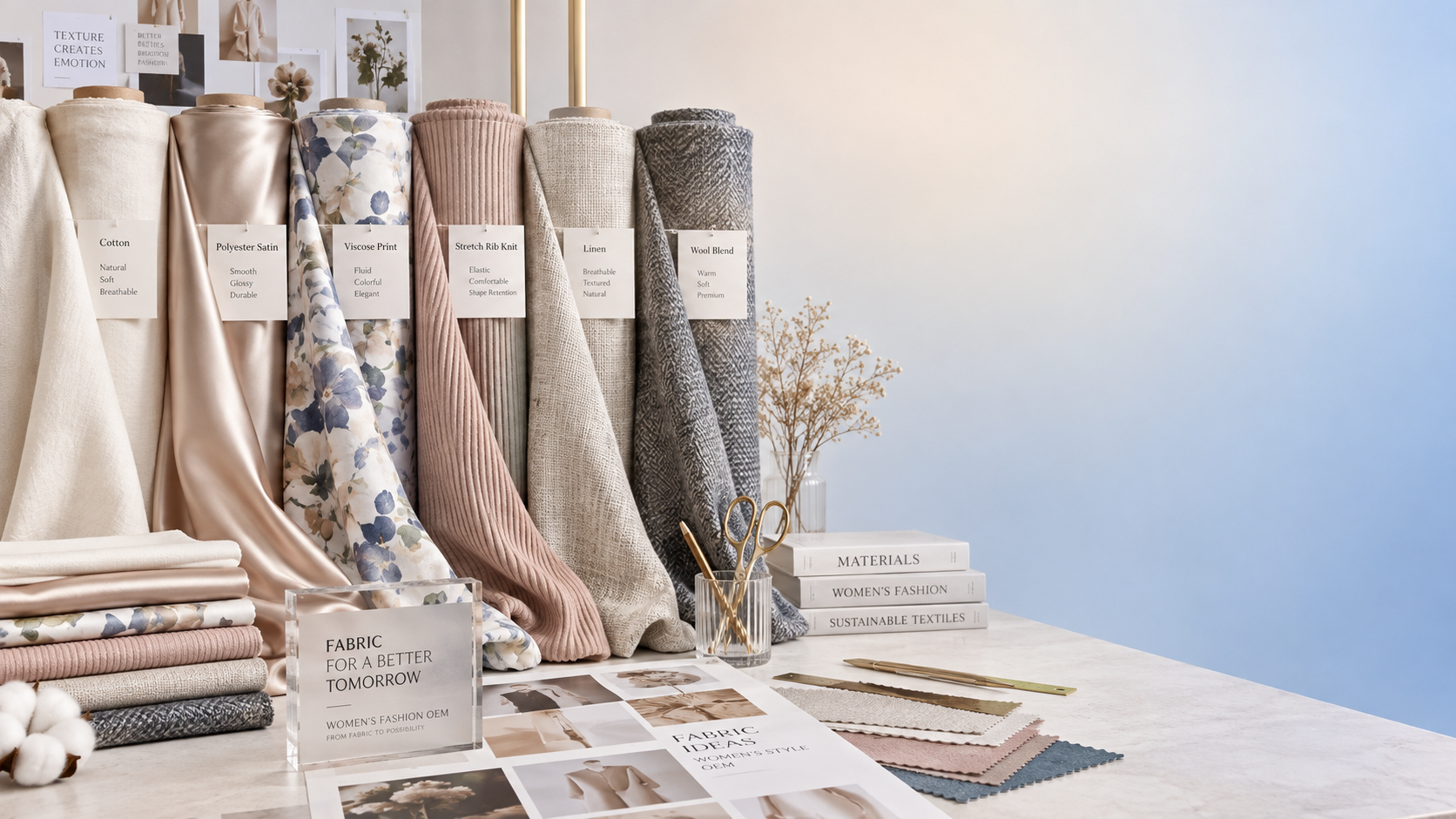
What Fabrics Are Commonly Used in Women’s Clothing OEM Production?
What fabrics are commonly used in women's clothing OEM production? Explore cotton, polyester, viscose, knits, and blends for better fit, quality, and value.

Why women's knitwear orders get delayed
Learn why women's knitwear orders are delayed by yarn shortages, sampling revisions, and Chinese New Year congestion. Use seven production checkpoints, early yarn reservations, dual sourcing, and progress checks to protect delivery timelines.
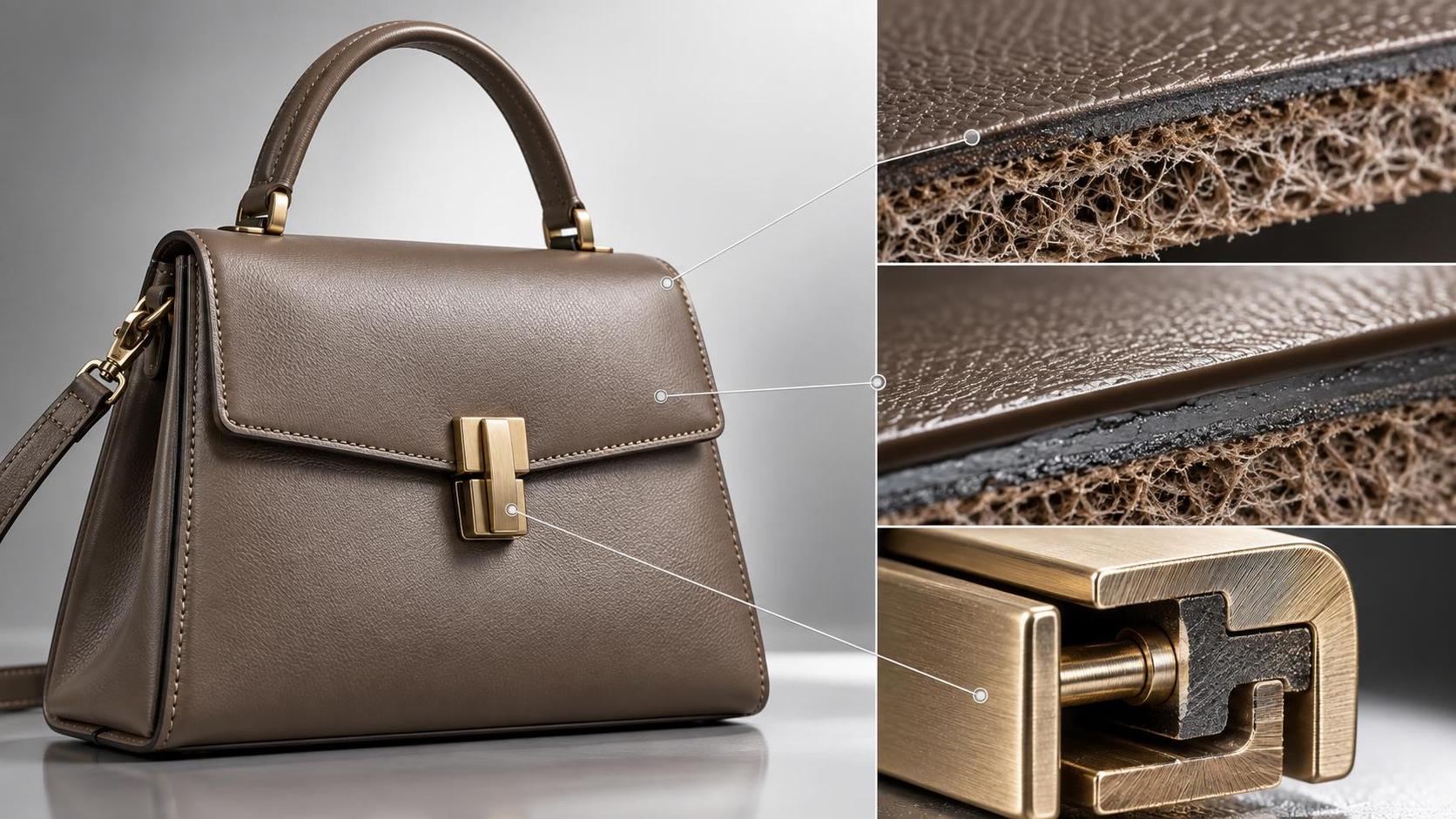
What makes high-end women's fashion bags resistant to seasonal material degradation?
Discover how high-end women's fashion bags resist seasonal degradation—material science, vertical integration & real-world validation revealed.


{item.title}
{item.description}
Please give us a message
Contact Us