
Can You Reorder Luxury Womenswear With the Same Quality as the First Batch?
Can you reorder luxury womenswear with the same quality as the first batch? In most cases, yes, but only if the manufacturer has stable sourcing, disciplined technical control, and a repeatable quality management process. For fashion brands, boutiques, and wholesalers, reorder consistency is not a small operational detail. It directly affects customer trust, sell-through performance, returns, and the reputation of your label.
The real question behind this search is not simply whether reorders are possible. It is whether a supplier can reproduce the same hand feel, fit, color, finishing, and overall premium standard that made the first batch successful. In high-end women's apparel, even small changes in fabric lots, trims, pattern execution, or workmanship can change how the product is perceived in the market.
For buyers working with an experienced manufacturer such as Shenzhen Meiwuzhi Garment Co., Ltd., reorder quality can be maintained when production is managed with the right systems. From design and pattern making to accessory production, knitting processing, and bulk garment manufacturing, each step must be documented and controlled. The more complete the production chain and the more stable the factory network, the better the chance of keeping batch-to-batch consistency.
What buyers really want to know before placing a reorder
When someone searches "Can I reorder luxury women's wear with same quality as first batch," the core intent is commercial and practical. They are usually evaluating production risk before committing capital. They want confidence that a proven style can be replenished without creating fit issues, color mismatch, or a drop in finishing quality that could hurt retail sales.
These readers are often boutique owners, fashion brand founders, sourcing managers, online wholesalers, or private label buyers. Their concern is not abstract manufacturing theory. They want to know what causes quality variation, how a capable factory prevents it, and what checkpoints they should use before confirming a second or third production run.
They also care about business outcomes. If the reorder arrives with inconsistent sizing or lower-grade workmanship, the consequences are immediate: customer complaints, markdown pressure, damaged repeat purchase rates, and extra time spent on dispute resolution. That is why the decision to reorder is really a decision about supply chain reliability.
Yes, reorder quality can match the first batch, but only under controlled conditions
The short answer is yes. A luxury womenswear reorder can match the first batch when the original product specifications are complete and the manufacturer has strong execution discipline. Premium clothing is not reproduced accurately by memory or rough reference samples. It is reproduced through records, standards, and process control.
In high-end apparel, quality consistency depends on preserving the exact technical and material conditions that created the first successful batch. That includes fabric composition, dye lot management, trim sourcing, pattern version control, garment measurements, sewing methods, pressing standards, and final inspection rules. If any of these shift without control, the finished pieces may look similar but perform differently in the market.
Factories with integrated capabilities are in a stronger position here. Shenzhen Meiwuzhi Garment Co., Ltd. manages design, pattern making, accessories, knitting processing, and bulk production through its own factory and coordinated partner factories across key garment manufacturing regions. This structure supports better communication and clearer technical continuity during repeat orders.
Why reorder quality often changes in luxury women's wear production
Many buyers assume that once a style has been made successfully, repeating it should be simple. In reality, reorders become inconsistent when important production variables are not locked down. The most common issue is material variation. Even when a fabric has the same name or composition, a different lot can change color depth, texture, drape, recovery, and shrinkage performance.
Trim inconsistency is another frequent cause. Buttons, zippers, linings, labels, shoulder pads, lace, beads, and decorative components may come from different suppliers or replacement batches. In luxury womenswear, these details shape the product's final impression. A slightly different zipper tone or lining weight can make the garment feel less refined, even if the change appears minor on paper.
Production team changes also matter. Different sewing lines or partner factories may interpret tolerance standards differently. Without strong technical files and supervision, seam shape, stitch density, collar roll, sleeve setting, and pressing finish can shift from one batch to the next. This is especially important for tailored dresses, blouses, knitwear, and structured fashion pieces where fit and silhouette define value.
Another problem is incomplete sample preservation. If the approved first-batch sample is not archived properly, later production teams may rely on a sales sample, a worn retail piece, or a partially updated tech pack. That weakens repeatability. Luxury clothing requires a single approved production standard, not multiple informal references.
What actually ensures the same quality in a reorder
To keep a reorder aligned with the first batch, the factory must build production around a fixed technical baseline. This starts with the approved sample, measurement chart, construction sheet, trim card, color standard, and fabric details. Every reorder should be checked against these references before cutting begins.
Stable fabric sourcing is one of the biggest safeguards. A reliable manufacturer either reserves fabric, secures the same source, or tests replacement lots against the original standard. That includes reviewing color consistency, weight, stretch, shrinkage, and surface appearance. In luxury women's wear, preserving hand feel is just as important as matching color.
Pattern control is equally important. Reorders should use the same final production pattern, not an adjusted version unless the buyer has formally approved changes. Pattern grading, seam allowance, and construction details must remain consistent. If the first batch sold well because of fit, protecting the pattern is one of the highest priorities.
Skilled workmanship must also be stable. Factories that retain experienced teams or standardize training across production units usually perform better on reorders. Sewing method sheets, operation checkpoints, and in-line inspections reduce variation across batches. This is where disciplined factories separate themselves from suppliers that only focus on speed.
How an experienced manufacturer reduces reorder risk
A manufacturer with deep experience in high-end women's apparel does more than make clothing. It builds a system for repeatability. Shenzhen Meiwuzhi Garment Co., Ltd. has spent years serving retail stores, online wholesalers, and broad distribution networks. That scale matters because repeat orders become common only when the factory is already accustomed to replenishment production and standard preservation.
Its own factory handles core processes such as design, pattern making, accessory development, knitting processing, and garment production. That integrated model reduces handoff errors. When development knowledge stays close to production, the factory can better protect the details that define the quality of the original batch.
The company also cooperates with multiple factories across Dongguan, Zhongshan, and Suzhou, allowing broader production support while maintaining coordination. For buyers, this matters because capacity expansion can sometimes damage consistency if supplier management is weak. A structured network with central control is far more dependable than scattered outsourcing without technical discipline.
Long-term market experience also improves judgment. A supplier serving many physical stores and online business clients has usually seen the full range of reorder issues, from color complaints to fit drift and trim replacement challenges. That experience helps the factory anticipate risks before they become expensive problems for the buyer.
What buyers should confirm before approving a second batch
If you want to reorder luxury women's wear with same quality as first batch, do not rely on verbal confirmation alone. Ask the supplier to verify the original production references. Confirm whether the same fabric mill, trim source, pattern version, and workmanship standard will be used. If anything must change, require a clear disclosure before production starts.
It is also wise to request a reorder confirmation sample, especially for high-value items or styles sensitive to drape and fit. This step is important when fabric lots have changed, when the previous run was produced months earlier, or when the order will be handled by a different line. A pre-production check costs less than managing inconsistent inventory after delivery.
Review tolerance standards in practical terms. Ask how the factory controls measurement consistency, color difference, pressing quality, and finishing details. In luxury garments, acceptable tolerance may be narrower than in mass-market apparel. The supplier should be able to explain the inspection approach with specifics, not general promises.
Delivery planning also affects quality. Tight deadlines can push factories to substitute materials or compress inspection steps. If the reorder is commercially important, give the manufacturer enough lead time to secure proper materials and maintain normal quality procedures. Speed without control usually increases risk.
How to judge whether a supplier can support long-term repeat orders
Not every factory that can make a good first sample can maintain quality across multiple replenishment cycles. To judge long-term capability, look at process maturity rather than only sample appearance. Ask whether the factory stores approved samples, technical files, measurement records, and trim references for future use. Strong documentation is one of the clearest signals of repeat-order readiness.
You should also assess supply stability. Can the manufacturer source consistent premium fabrics over time? Does it have backup planning for trims without lowering the perceived grade of the garment? In luxury women's wear, the answer must cover both technical performance and aesthetic consistency.
Communication discipline is another major indicator. A strong supplier flags risks early, such as unavailable fabric lots, slight shade shifts, or trim discontinuation. That transparency protects the buyer. Suppliers that hide changes until bulk delivery are not reliable partners for premium fashion programs.
Finally, consider whether the manufacturer understands your sales model. Boutiques, private labels, and online wholesale operations each have different reorder pressures. A factory familiar with replenishment cycles, retail presentation standards, and customer quality expectations is better equipped to support profitable repeat business.
The business value of consistent reorders goes beyond product quality
Consistent reorder quality protects more than the garment itself. It protects forecasting accuracy, merchandising confidence, and customer lifetime value. When a winning style can be repeated without quality drift, brands can scale more efficiently. They can reorder proven sellers, reduce markdown risk, and build stronger confidence with stockists and end buyers.
For physical stores, consistency supports visual continuity and reduces return friction. For online sellers, it lowers complaint rates and protects review quality. For growing brands, it makes inventory planning more rational because repeat orders become less of a gamble and more of a controlled expansion strategy.
This is why the search question matters so much. Buyers are not simply asking whether a factory can make the same item again. They are asking whether they can grow revenue from a successful style without introducing avoidable quality risk. That makes reorder consistency a strategic capability, not just a production detail.
Conclusion: the right factory makes repeat quality realistic
So, can you reorder luxury womenswear with the same quality as the first batch? Yes, provided the manufacturer has stable materials, controlled patterns, skilled teams, documented standards, and strict quality oversight. In premium women's apparel, consistency does not happen by accident. It is built into the production system from the first sample onward.
For brands, boutiques, and wholesalers, the safest approach is to choose a manufacturer that treats reorders as a technical process rather than a routine repeat. Shenzhen Meiwuzhi Garment Co., Ltd. offers the kind of integrated production capability and market experience that supports this level of control. When the factory can preserve the details that made the first batch successful, reorder confidence becomes much stronger.
In practical terms, buyers should evaluate reorder readiness through fabric stability, pattern control, trim consistency, inspection discipline, and communication transparency. Those are the factors that determine whether a second batch truly matches the first. When these elements are in place, repeat orders can deliver both consistent quality and stronger business results.
Previous:No more content
Next:No more content

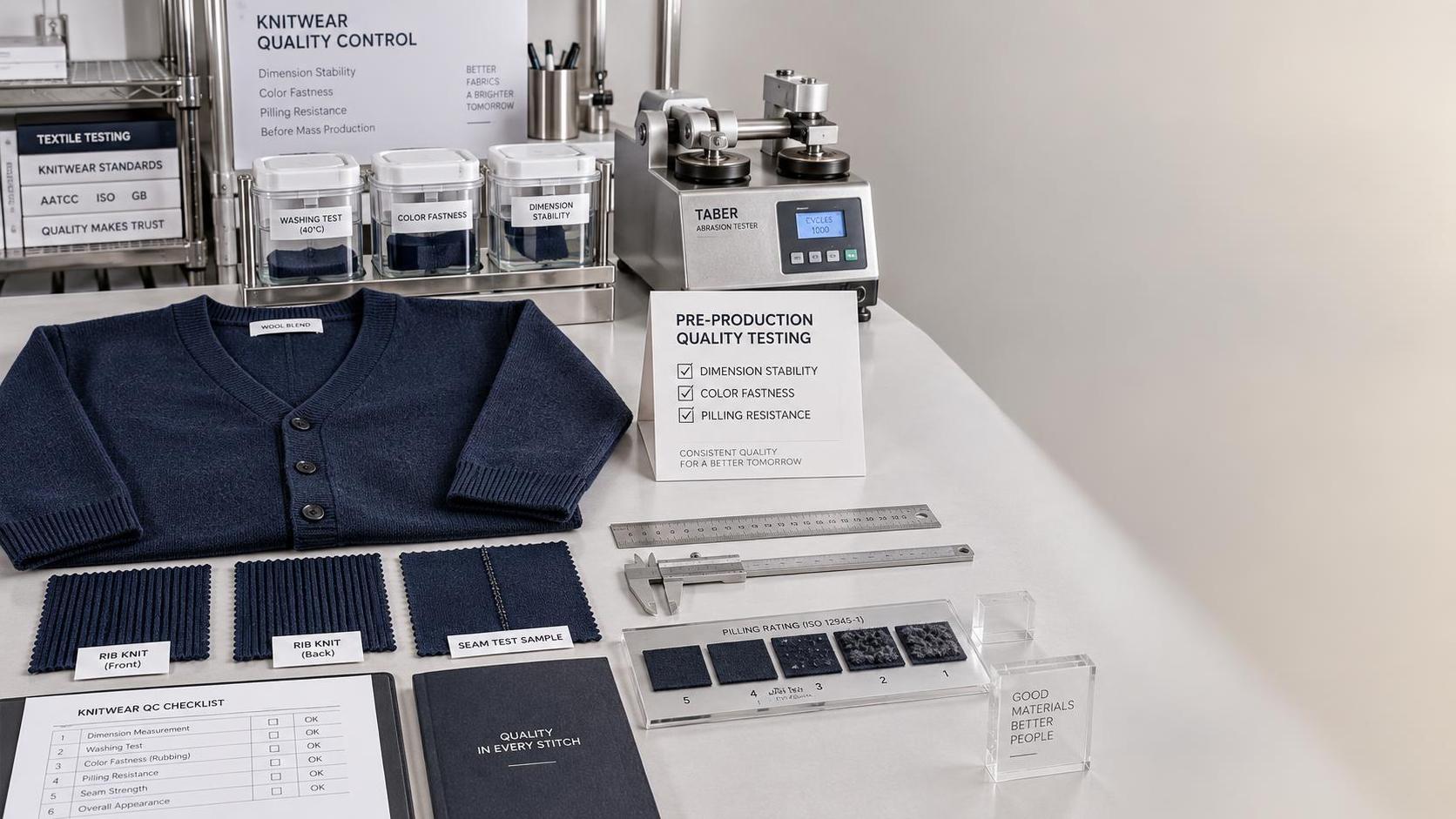
Private Label Knitwear Quality Control: Tests to Set Before Production Starts
Private label knitwear quality control guide: set pre-production tests for fiber content, shrinkage, colorfastness, pilling, seams, and compliance.
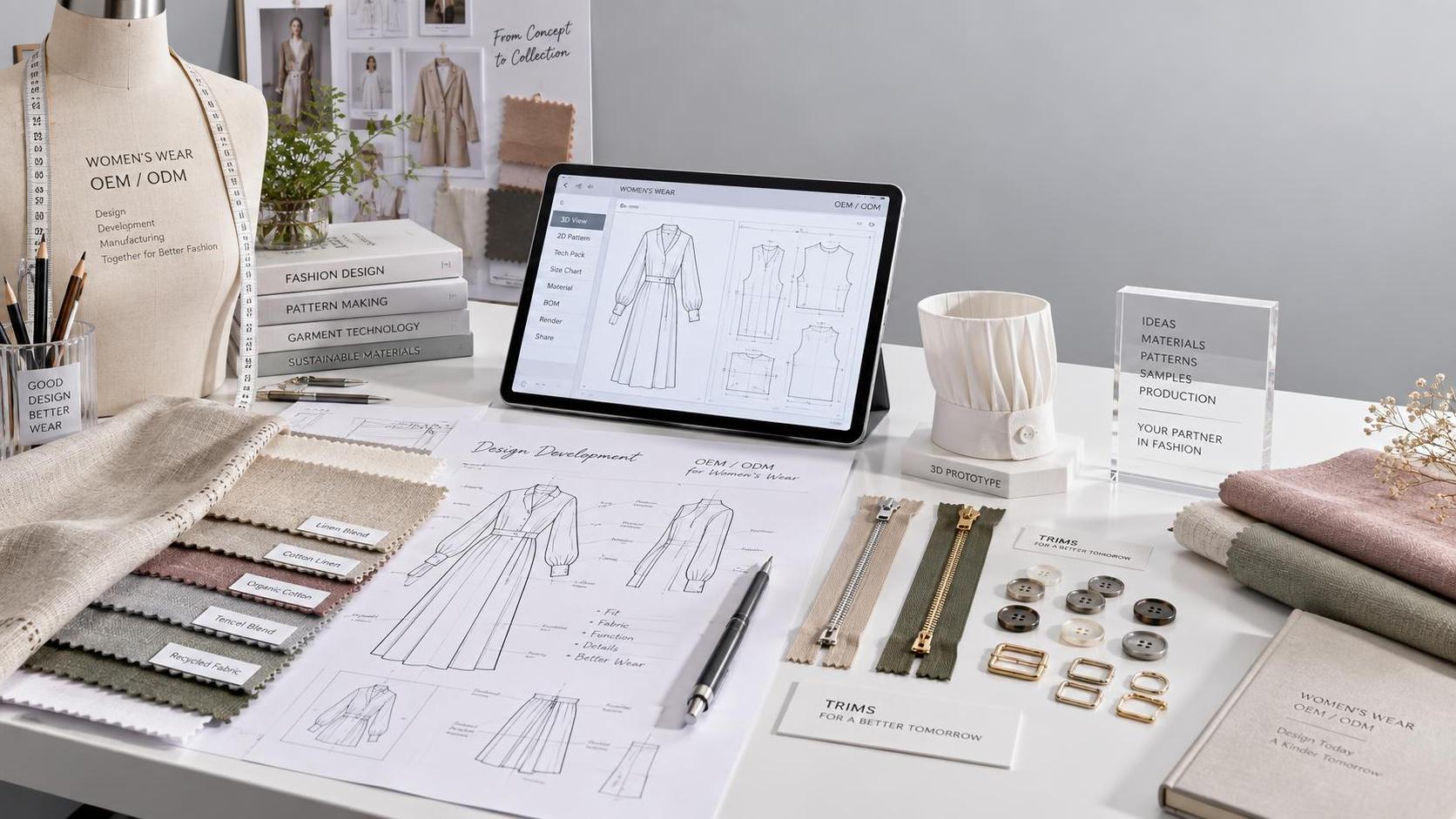
Do women's clothing OEM factories provide design development support for new collections?
Do women's clothing OEM factories offer design support for new collections? Discover how top-tier partners like Meiwuzhi integrate design into production—speeding up development, improving fit, and reducing revisions.
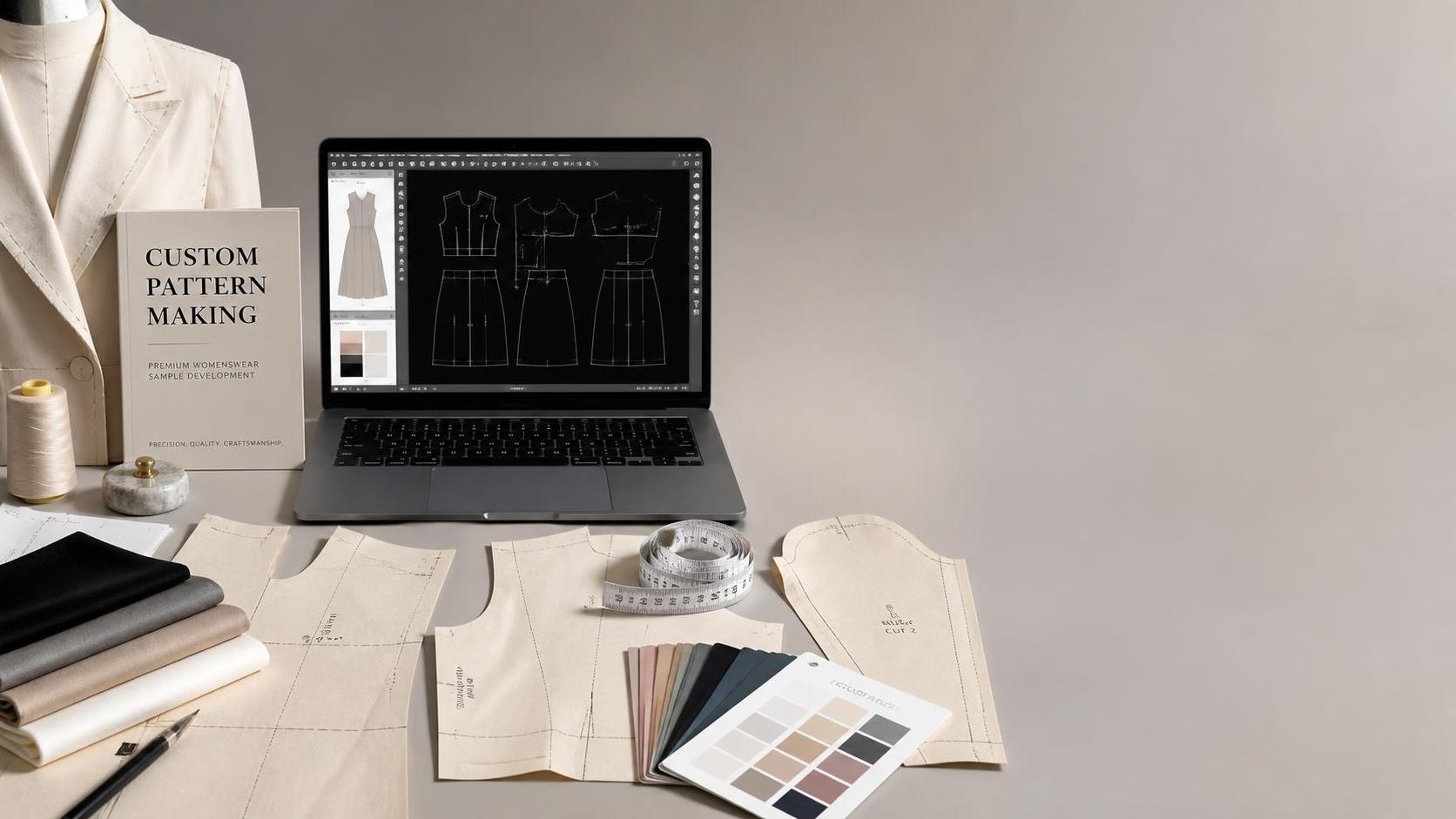
Do High-End Women’s Apparel Factories Accept Custom Pattern Making
Do high-end women's apparel factories accept custom pattern making? Yes—when fabric, fit, and sampling align. Learn what premium factories require and how to improve development success.

{item.title}
{item.description}
Please give us a message
Contact Us