
Common Quality Risks When Sourcing High-End Women's Apparel in China
When working with a high-end women's apparel supplier China, quality risks can arise long before final inspection. From fabric inconsistencies and trimming defects to poor workmanship and unstable factory coordination, each issue can affect brand reputation and product safety. For quality control and safety managers, understanding these common sourcing challenges is essential to building a reliable, premium apparel supply chain in China.
Why quality risks appear early in premium apparel sourcing
Premium women’s fashion is less forgiving than basic apparel. Small shade variations, inaccurate measurements, weak seam performance, or inconsistent embellishment placement can quickly downgrade a product from luxury-looking to commercially risky. For teams sourcing from a high-end women's apparel supplier China, the challenge is not only product beauty but process stability.
Quality and safety managers often face a difficult mix of short lead times, multiple subcontractors, fabric changes, and incomplete pre-production validation. In high-end categories, these factors create hidden defects that may pass visual checks but fail during wear, washing, transport, or customer use.
- Premium fabrics are more sensitive to shrinkage, puckering, snagging, and color migration.
- Fashion-forward trims and details introduce attachment strength and skin-contact safety concerns.
- Multi-factory production can create variation between pilot sample, size set, and bulk goods.
- Retail expectations are higher, so even minor defects become return or complaint triggers.
What makes high-end women’s apparel different from standard sourcing
A standard garment program may accept moderate tolerance deviation or minor hand-feel variation. High-end women’s apparel usually cannot. Buyers expect drape, touch, silhouette, stitch balance, and finishing consistency to match the design intent. This means control points must begin at development, not shipment.
The most common quality risks when sourcing from a high-end women's apparel supplier China
The table below helps quality teams identify where failures usually start, how they show up in production, and what they can damage later in the supply chain when working with a high-end women's apparel supplier China.
These risks are interconnected. For example, a trim issue may actually begin with incorrect material approval, while seam defects may come from fabric relaxation failure before cutting. A capable supplier must therefore control quality as a chain, not as isolated checkpoints.
Fabric-related risks that quality teams should never treat as minor
In high-end women’s apparel, fabric is the product. If drape, opacity, stripe alignment, or hand feel changes, the garment identity changes. For striped or light-color spring and summer styles, even small weaving variation becomes visually obvious under retail lighting.
A style such as ZC398 Miu**2026, with an off-white base matched with light brown fine stripes and a loose straight cut, illustrates this clearly. In products designed for standalone wear or inner layering, stripe clarity, fabric stability, and silhouette retention matter as much as appearance.
Workmanship risks that hurt premium perception
Premium buyers inspect details instinctively. They notice twisted side seams, inconsistent topstitch density, visible thread ends, poorly balanced collars, and chest embroidery placement errors. These are not only aesthetic issues. They signal process weakness and can indicate deeper control gaps on line setup, operator training, and final pressing standards.
How to evaluate a high-end women's apparel supplier China before placing bulk orders
Before approving production, quality and safety managers should assess not only sample appearance but also the supplier’s control architecture. The next table provides a practical supplier evaluation framework for high-end women's apparel supplier China programs.
This type of evaluation is especially important in China sourcing, where one program may involve fabric mills, trim vendors, sample rooms, and several production sites. If standards are not centralized, quality becomes dependent on individuals instead of systems.
Questions buyers should ask during supplier review
- Who approves bulk fabric against the sealed sample, and how is lot variation handled?
- What pre-production meeting documents are issued to lines and partner factories?
- How are embroidery, stripes, washing, and pressing standards visually defined?
- What happens if the first inline audit finds recurring defects above tolerance?
- Can the supplier support rapid sample correction without bypassing control steps?
Why multi-factory coordination is both a strength and a risk
Many apparel buyers assume that using multiple factories automatically increases risk. In reality, the issue is not the number of factories but the quality governance behind them. A supplier with its own production base and coordinated partner network can improve capacity, lead time, and specialization—if technical control is unified.
Shenzhen Meiwuzhi Garment Co., Ltd. operates in a structure that combines its own factory resources in Changping Town, Dongguan, with cooperation across factories in Dongguan, Zhongshan, and Suzhou, while covering design, pattern making, accessory production, knitting processing, and bulk garment manufacturing. For quality managers, this kind of integrated chain can be useful because development and production are closer to each other, making issue tracing more practical.
What quality managers should verify in a distributed production model
- A single approved technical pack should be used across all locations, including workmanship photos and tolerance charts.
- Critical processes such as pattern confirmation, accessory approval, and first-piece review should be centralized.
- Defect classification must be identical across own factory and partner factories.
- Measurement, pressing, and packing standards should be documented, not verbally passed on.
Where this discipline exists, distributed manufacturing becomes an advantage. It supports flexibility for seasonal launches, varied style complexity, and replenishment programs without forcing the buyer to compromise on premium presentation.
Technical and safety checkpoints for high-end women’s apparel
Quality control and safety management should combine visual, dimensional, functional, and basic compliance checks. Even when a style is fashion-led, practical performance still affects customer satisfaction and product risk.
Core checkpoints before bulk release
- Fabric appearance review under stable lighting for shade, stripe alignment, and surface defects.
- Relaxation and shrinkage testing before cutting, especially for spring and summer lightweight materials.
- Attachment security review for buttons, zippers, and decorative elements.
- Needle control, broken needle discipline, and metal contamination prevention where applicable.
- Final pressing validation to prevent shine marks, panel distortion, or collar deformation.
In some product descriptions, technical numbers may appear that are more common in industrial materials than garments, such as a tensile strength figure of ≥520MPa. For apparel teams, the practical point is not to copy the number blindly but to confirm which performance indicators are actually relevant to the textile, trim, or accessory being used in the style.
For example, if a striped spring-summer top in sizes S, M, and L is marketed around a preppy aesthetic, subtle chest embroidery, and a loose straight silhouette, the sourcing team should focus on stripe consistency, seam stability, comfort against skin, and embroidery neatness rather than on unrelated material claims.
Procurement guide: how to reduce quality failures before they become claims
A disciplined sourcing flow can reduce surprises dramatically. For quality and safety managers dealing with a high-end women's apparel supplier China, prevention is cheaper than rework, chargebacks, and customer trust loss.
Recommended control sequence
- Approve the design intent with clear reference samples, not only sketches.
- Seal fabric, color, trims, and workmanship standards before size set approval.
- Run a pre-production meeting with photos, measurement tolerances, and defect examples.
- Perform inline inspection early enough to stop repeat defects before 30% output.
- Check carton assortment, labeling, and packing integrity before final release.
If the style complexity is high, ask for a pilot run rather than jumping directly from sales sample to full bulk. This is especially effective for garments with embroidery, stripe matching, unusual trims, or soft fabrics that behave differently in production than in sample making.
Common misconceptions in China apparel sourcing
Quality failures often come from wrong assumptions rather than bad intentions. Teams responsible for vendor control should challenge the following myths early.
“If the sample looks good, bulk will be fine”
A sample may be handmade by senior technicians under low volume pressure. Bulk production uses line balancing, operator variation, and real fabric lots. Without process controls, the sample is only a style reference, not proof of repeatability.
“Final inspection can catch everything”
Final inspection can detect symptoms, but not always recover the order. If shrinkage, fabric shade, or recurring seam distortion is found too late, the schedule and cost impact can be severe.
“A bigger factory always means lower quality risk”
Scale helps capacity, but premium apparel quality depends more on management discipline, sample-to-bulk translation, and stable technical communication. Some mid-sized integrated suppliers outperform larger sites on detail control.
FAQ for quality and safety managers sourcing women’s apparel in China
How do I choose the right high-end women's apparel supplier China for premium collections?
Look beyond price and showroom samples. Review development strength, pattern correction ability, material approval flow, production network discipline, and defect response speed. Ask to see how bulk standards are documented and communicated across teams.
What are the first warning signs of unstable apparel quality?
Watch for delayed material approvals, unclear tolerance definitions, inconsistent comments between sample rounds, and weak answers about inline control. These usually indicate that the supplier reacts to issues case by case instead of managing them systematically.
Which checks matter most for spring and summer women’s styles?
Pay special attention to fabric opacity, stripe or print consistency, seam impression, pressing quality, skin comfort, and dimensional stability after washing or steaming. Lightweight fabrics can look elegant but are often less tolerant of process mistakes.
Can a supplier support both trend speed and quality control?
Yes, if development, pattern making, accessory coordination, and production planning are connected. An integrated supplier structure with its own factory plus managed partner factories can move faster while still maintaining technical consistency, provided standards are centralized.
Why choose us for high-end women’s apparel sourcing support
For buyers evaluating a high-end women's apparel supplier China, practical control capability matters more than promises. Shenzhen Meiwuzhi Garment Co., Ltd. brings together in-house design, pattern making, accessory production, knitting processing, and bulk manufacturing, while coordinating with multiple partner factories in major apparel regions. This structure helps support both development depth and delivery flexibility.
Our operating background includes long-term experience serving clothing retailers and online wholesale channels, with a showroom in Shenzhen for style presentation and ongoing product updates. For quality control and safety managers, this means discussions can start from real execution topics: sample confirmation, material matching, workmanship expectations, delivery scheduling, and bulk consistency control.
- Consult us for style feasibility review before bulk commitment.
- Ask about size specification confirmation, fabric and trim matching, and sample support.
- Discuss lead time planning across own factory and partner production resources.
- Request communication on inspection focus points, defect prevention, and packaging details.
- For selected styles, including premium seasonal items such as ZC398 Miu**2026, we can discuss product positioning, sample review priorities, and quotation alignment.
If you are managing product quality, safety risk, or supplier approval, contact us with your tech pack, target price range, planned order quantity, and timeline. We can help you evaluate product selection, production readiness, delivery windows, customization options, and sample arrangements with a more controlled sourcing approach.
Previous:No more content
Next:No more content

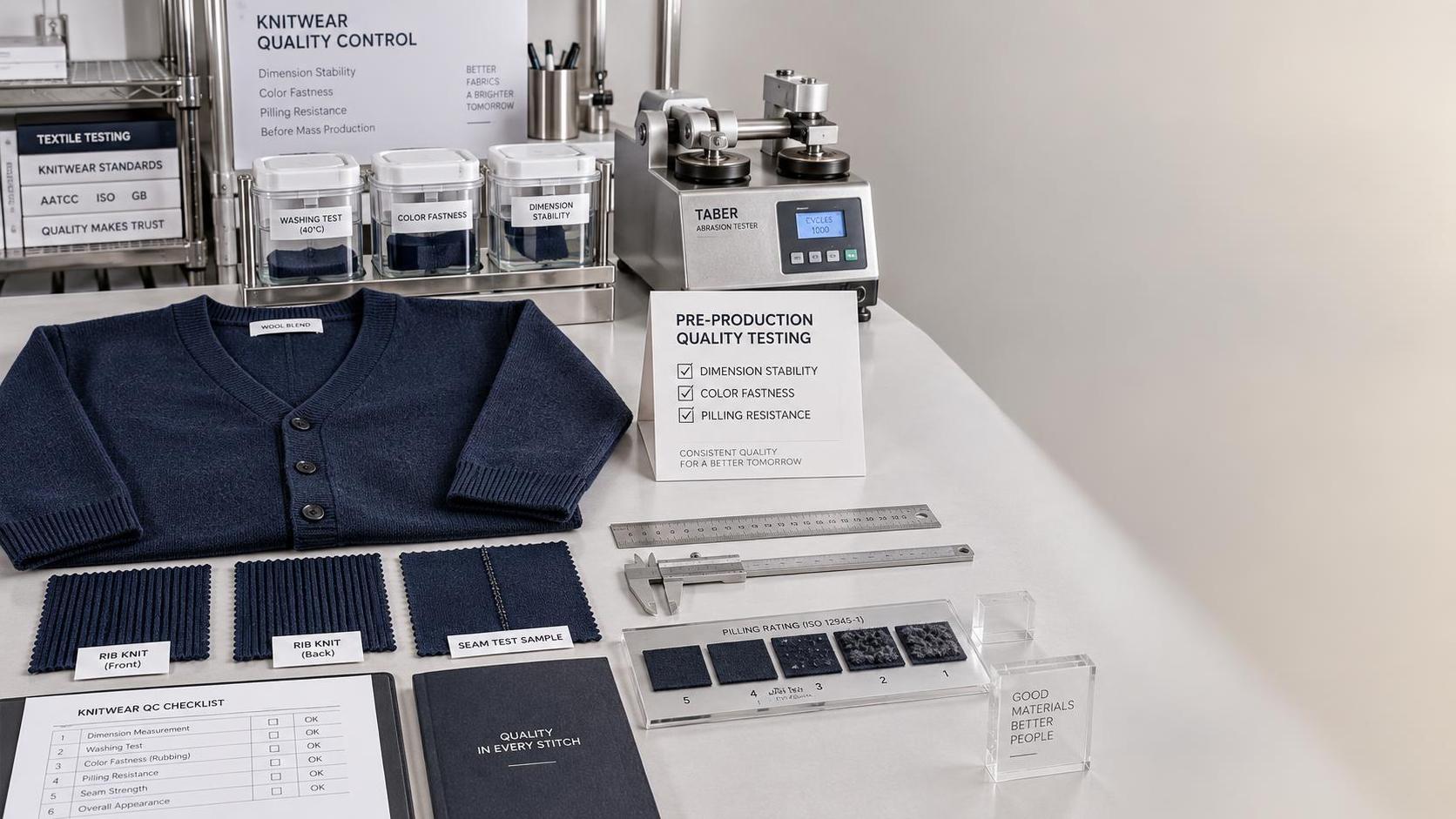
Private Label Knitwear Quality Control: Tests to Set Before Production Starts
Private label knitwear quality control guide: set pre-production tests for fiber content, shrinkage, colorfastness, pilling, seams, and compliance.
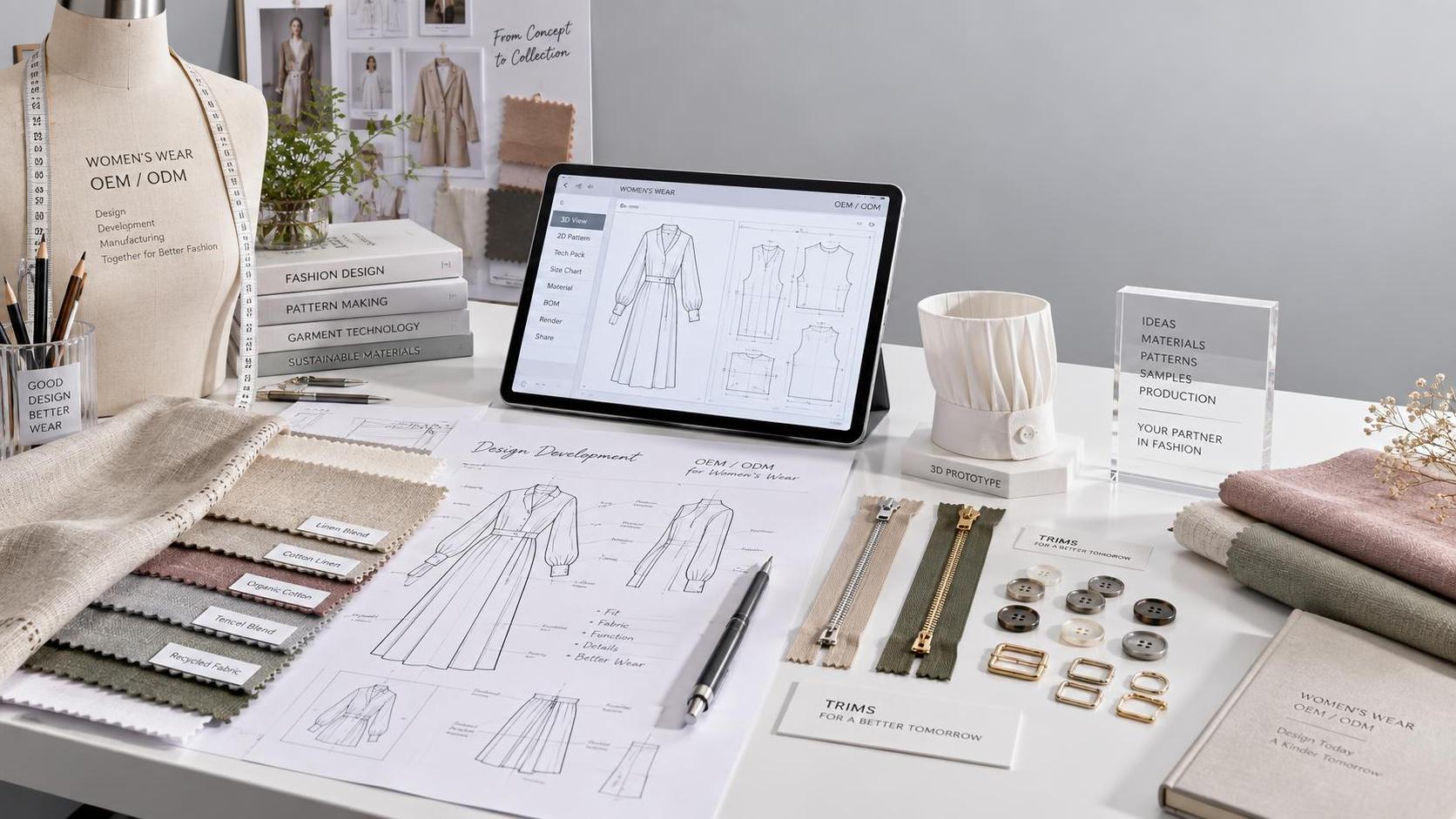
Do women's clothing OEM factories provide design development support for new collections?
Do women's clothing OEM factories offer design support for new collections? Discover how top-tier partners like Meiwuzhi integrate design into production—speeding up development, improving fit, and reducing revisions.
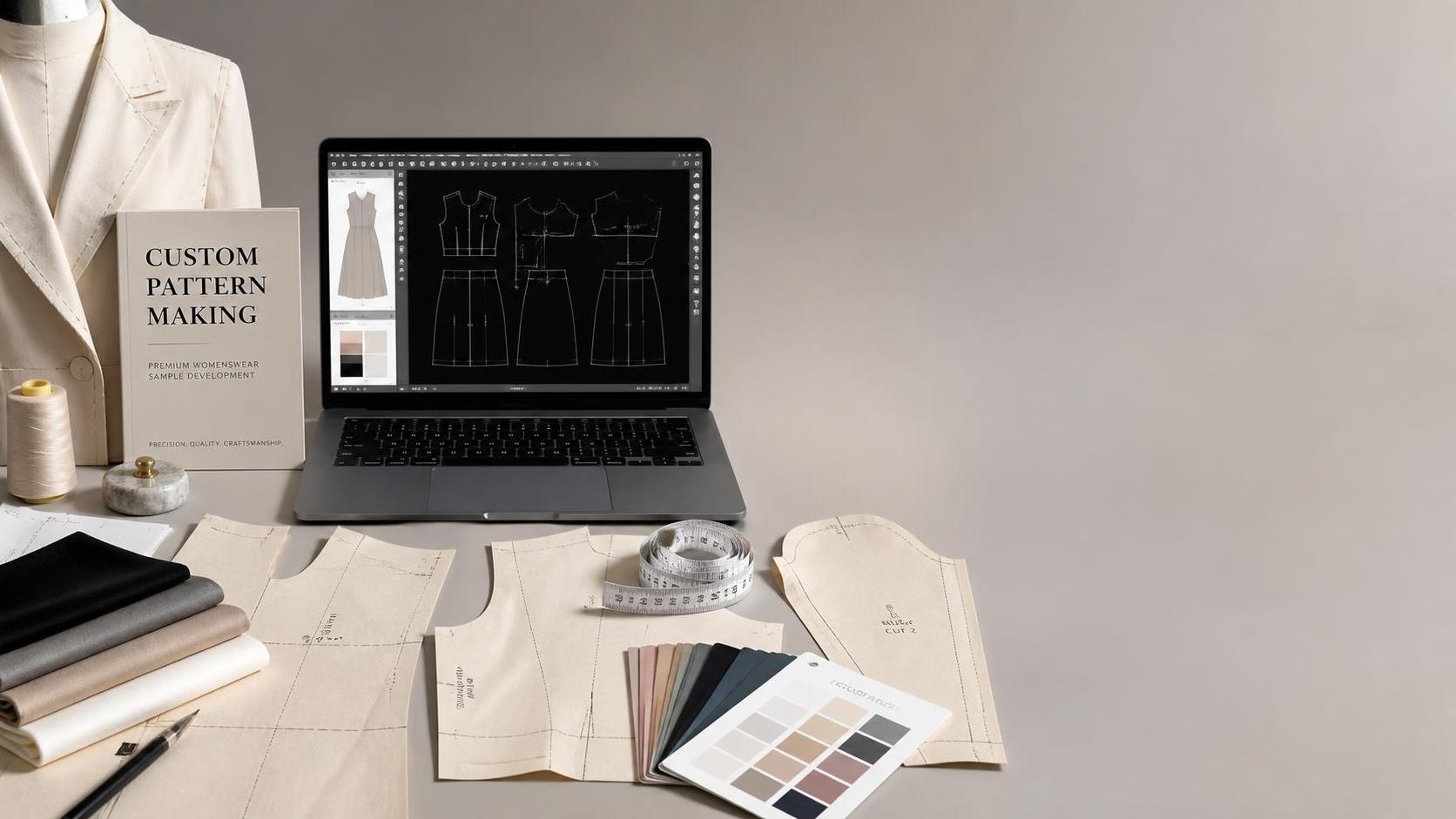
Do High-End Women’s Apparel Factories Accept Custom Pattern Making
Do high-end women's apparel factories accept custom pattern making? Yes—when fabric, fit, and sampling align. Learn what premium factories require and how to improve development success.

{item.title}
{item.description}
Please give us a message
Contact Us