
Do High-End Women's Apparel Factories Offer Design Development Services?
When sourcing premium fashion, many buyers ask: How to verify if a high-end women's apparel supplier is truly a factory, and whether it can also support design development. For brands seeking quality, speed, and originality, working with a real factory that offers sampling, pattern making, fabric coordination, and bulk production can reduce risk and improve product consistency. Understanding these capabilities is the first step to choosing the right manufacturing partner.
Why buyers ask whether a high-end women's apparel supplier is truly a factory
In high-end womenswear, the difference between a trader and a real factory affects almost every result: fit accuracy, fabric control, sampling speed, margin structure, and bulk delivery reliability.
That is why procurement teams often search for How to verify if a high-end women's apparel supplier is truly a factory before discussing price. A polished catalog alone is not enough.
A genuine factory usually has visible production logic. It can explain pattern development, sample revision flow, sewing line arrangement, accessory sourcing, and quality checkpoints in practical detail.
- Brands launching seasonal collections need quick sample turnaround and clear communication from sketch to approved prototype.
- Retailers buying premium ready stock need consistency in sizing, finish quality, and replenishment support.
- Wholesalers need reliable production capacity, not only attractive photos or temporary product sourcing.
For high-end women's apparel, design development services are equally important. If a supplier cannot translate concepts into patterns, fabric plans, trims, and production-ready specifications, it may struggle to support a premium brand over time.
Do high-end women's apparel factories offer design development services?
Yes, but the depth of service varies
Many high-end women's apparel factories do offer design development services, but not all suppliers provide the same level of support. Some only copy reference samples. Others can co-develop original collections.
A stronger factory normally supports several linked steps: silhouette review, pattern making, fabric matching, trim selection, sample sewing, fit correction, and production process confirmation.
What full development support usually includes
- Interpreting sketches, mood boards, or reference garments into workable development instructions.
- Building patterns for woven, knit, or mixed-material womenswear with attention to drape and structure.
- Coordinating fabrics, linings, buttons, zippers, labels, and decorative trims for target positioning.
- Conducting sample adjustments after fitting comments so the approved style is ready for bulk production.
This is exactly where factory verification matters. If the supplier really controls development and production, revisions are usually faster and technical misunderstandings are reduced.
How to verify if a high-end women's apparel supplier is truly a factory
The safest approach is to verify through operations, not slogans. Buyers should check whether the supplier can present real workflow evidence from design development to bulk shipment.
The table below gives a practical framework for How to verify if a high-end women's apparel supplier is truly a factory when evaluating premium womenswear partners.
In practice, factory verification is about traceability. If the team can connect design, pattern, trims, knitting, sewing, and delivery into one coherent process, the supplier is usually operating as a real manufacturing partner rather than only as a middleman.
What design development services matter most for premium womenswear?
Fit and silhouette development
High-end women's apparel depends on shape. A factory with development ability should understand balance, drape, waist placement, shoulder line, sleeve shape, and movement comfort.
Fabric and trim coordination
Premium garments are not built from fabric alone. Lining quality, interlining behavior, zipper color match, button weight, and label application all affect the final perception of value.
Sampling and revision discipline
The strongest factories do not treat the first sample as final. They expect comment rounds, fit notes, and construction refinements before confirming bulk standards.
- For dresses, focus on drape, lining transparency, zipper smoothness, and bust-waist-hip proportion.
- For jackets, focus on shoulder structure, panel symmetry, seam clean finish, and pressing effect.
- For knit styles, focus on gauge stability, stretch recovery, pilling tendency, and trim attachment.
How Shenzhen Meiwuzhi supports development and production
For buyers comparing suppliers, Shenzhen Meiwuzhi Garment Co., Ltd. presents an integrated operating model that is relevant to both factory verification and development support.
Its own factory is responsible for design, pattern making, accessory production, knitting processing, and bulk garment production. This internal linkage matters because premium womenswear often requires multiple technical decisions before production starts.
The company also cooperates with more than ten factories across Dongguan, Zhongshan, Suzhou in Guangdong Province, and Suzhou in Jiangsu Province. For buyers, this means broader coordination capacity when style types or order structures vary.
In Shenzhen, the Tchu showroom displays the latest styles and in-stock items for clothing retailers and online wholesalers from across the country. A physical showroom can help buyers review workmanship, silhouette, and finish more directly than digital catalogs alone.
Over 12 years of operation on Alibaba, Taolaichu has achieved cumulative sales exceeding 350 million yuan and developed cooperation with more than 130 physical stores nationwide, alongside over 45,000 online cooperative WeChat business partners and online store clients. These figures indicate sustained market activity, though buyers should still verify style fit, process alignment, and delivery scope for their own projects.
Factory vs trading supplier: which model fits your sourcing goal?
Not every project requires the same sourcing model. The choice depends on whether you need original development, stable replenishment, lower minimums, or fast catalog-based buying.
The comparison below helps buyers understand How to verify if a high-end women's apparel supplier is truly a factory by linking supplier type to business needs.
The key point is not that traders are always unsuitable. The issue is fit. If your collection depends on quality details and development precision, a verified factory structure is usually the safer choice.
What should buyers check before placing a sample or bulk order?
A practical procurement checklist
- Ask who handles design translation, pattern making, and sample revision. This reveals whether development is in-house or outsourced.
- Review sample workmanship closely, including seam cleanliness, pressing, lining control, trim attachment, and measurement consistency.
- Confirm whether fabrics and accessories are coordinated by the same team managing bulk production.
- Check expected lead time for first sample, revised sample, pre-production confirmation, and bulk shipment.
- Ask how quality inspections are performed during cutting, sewing, finishing, and packing stages.
If the supplier answers these points clearly and consistently, it is easier to verify whether a high-end women's apparel supplier is truly a factory with real execution capacity.
Typical service flow from concept to bulk production
For premium apparel projects, buyers should not only ask about price. They should understand how the supplier manages each development and manufacturing stage.
This kind of structured flow is one of the strongest indicators that a supplier is operating as a factory partner rather than simply forwarding orders.
Common mistakes when evaluating high-end women's apparel suppliers
- Choosing mainly by low sample price without checking whether the supplier can keep the same quality in bulk.
- Assuming a professional website means the supplier owns full production capability.
- Ignoring fit revision ability, even though premium womenswear often requires several technical adjustments.
- Not asking who controls accessories, knitting processing, and finishing, which can affect consistency and lead time.
The search phrase How to verify if a high-end women's apparel supplier is truly a factory is valuable because it pushes buyers to investigate the operational reality behind the sales presentation.
FAQ for brands, retailers, and wholesalers
How can I quickly verify if a high-end women's apparel supplier is truly a factory?
Start with process questions. Ask about pattern making, sample revision, accessory coordination, bulk scheduling, and quality control. A real factory can usually answer in a specific, connected way and show physical or video evidence.
Are design development services necessary if I already have reference samples?
Usually yes. Even with a reference sample, you may need pattern correction, fabric substitution, size grading, trim adaptation, or workmanship upgrades to make the style suitable for your target market.
What lead times should I ask about for premium womenswear?
Ask separately about first sample timing, revision timing, material confirmation, pre-production approval, and bulk shipment. A supplier that combines these into one vague answer may not have a mature production process.
Is a showroom useful when checking supplier capability?
Yes. A showroom helps buyers inspect silhouette, stitching, fabric feel, trim quality, and finish consistency. It is especially useful for high-end women's apparel where product value depends on detail.
Why choose us for high-end women's apparel development and production
If you are evaluating How to verify if a high-end women's apparel supplier is truly a factory, our operating structure gives you practical points to review. Shenzhen Meiwuzhi combines design, pattern making, accessory production, knitting processing, and bulk garment production through its own factory capabilities.
For broader sourcing and production coordination, we also work with more than ten partner factories across key manufacturing cities. This supports flexible execution for different womenswear categories and order plans.
You can consult us about sample development, style feasibility, fabric and trim coordination, delivery schedule planning, in-stock selection, private label cooperation, and bulk quotation alignment.
If you need to confirm whether your supplier can truly support premium fashion production, contact us with your sketches, reference garments, quantity plan, target timeline, and quality expectations. We can discuss sample support, development workflow, production matching, and quotation details based on your actual project.
Previous:No more content
Next:No more content

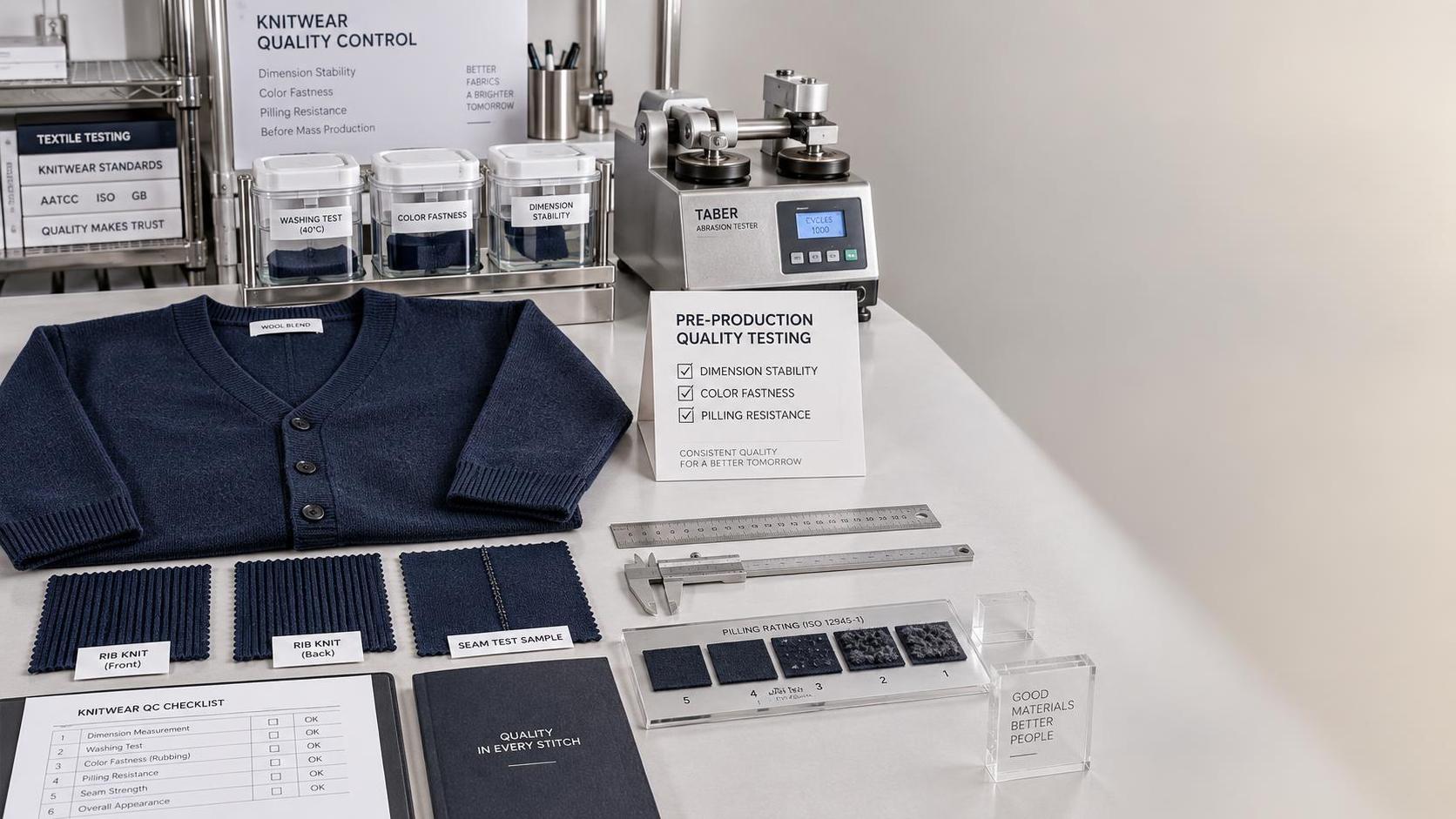
Private Label Knitwear Quality Control: Tests to Set Before Production Starts
Private label knitwear quality control guide: set pre-production tests for fiber content, shrinkage, colorfastness, pilling, seams, and compliance.
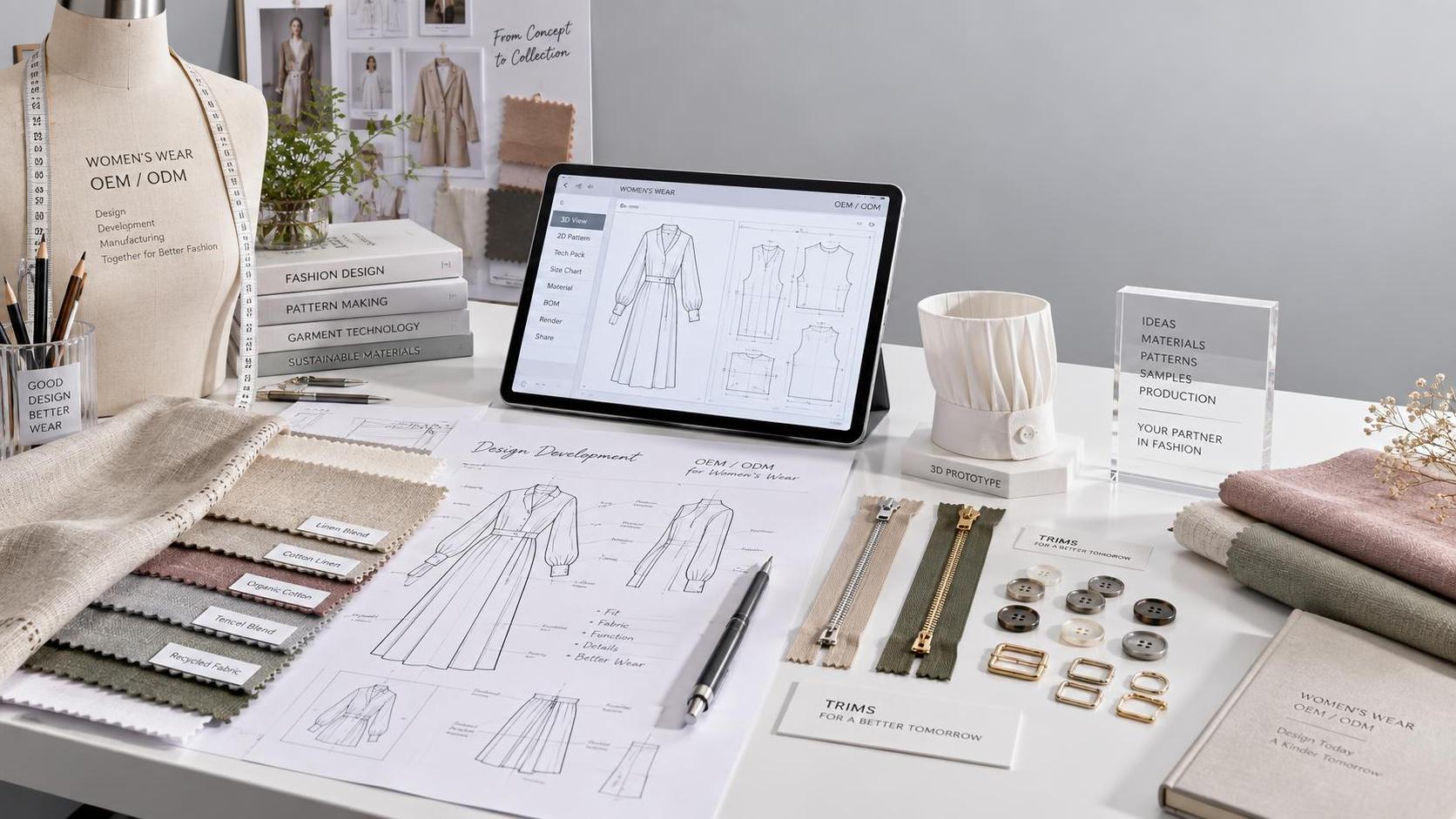
Do women's clothing OEM factories provide design development support for new collections?
Do women's clothing OEM factories offer design support for new collections? Discover how top-tier partners like Meiwuzhi integrate design into production—speeding up development, improving fit, and reducing revisions.
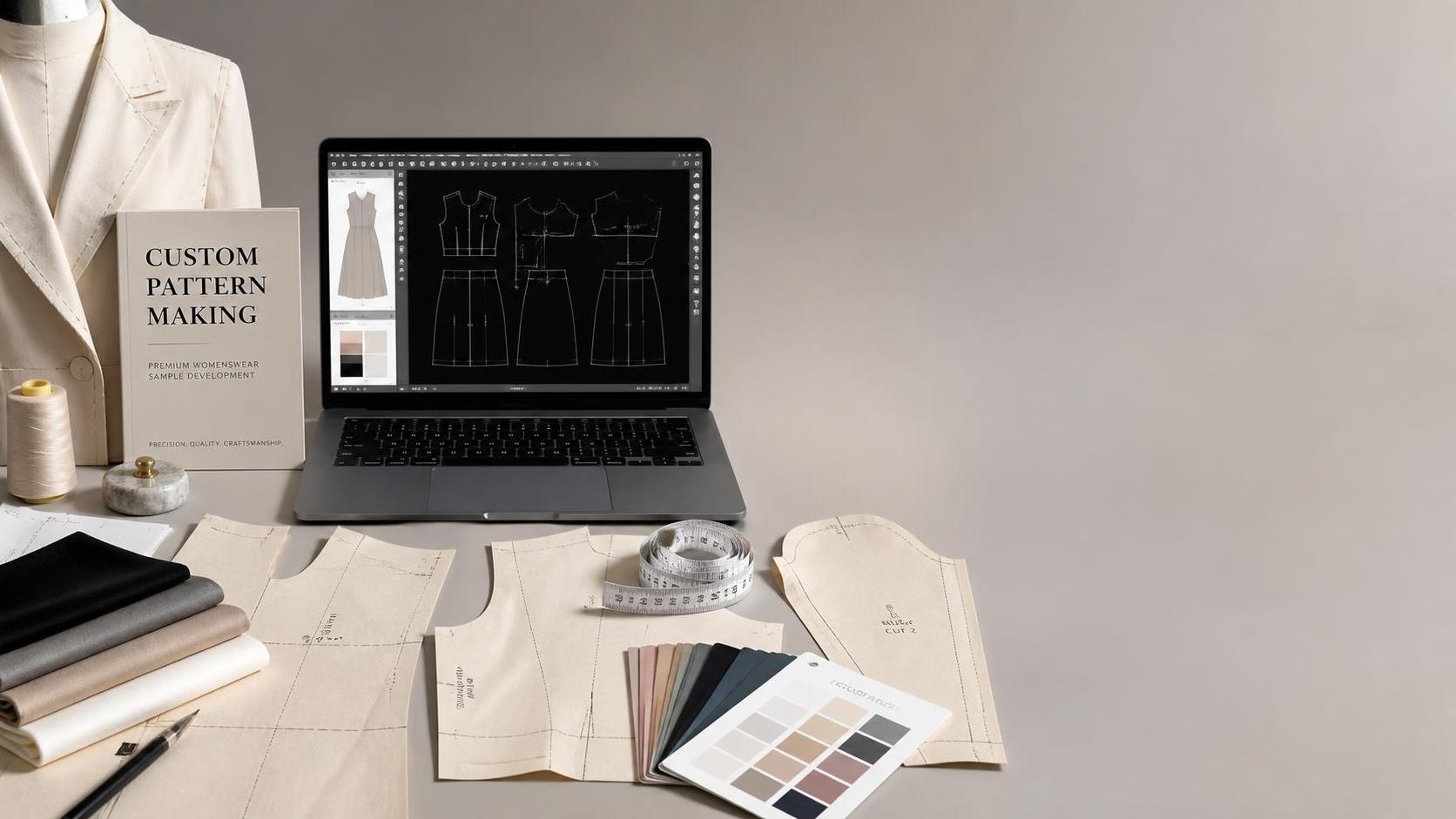
Do High-End Women’s Apparel Factories Accept Custom Pattern Making
Do high-end women's apparel factories accept custom pattern making? Yes—when fabric, fit, and sampling align. Learn what premium factories require and how to improve development success.

{item.title}
{item.description}
Please give us a message
Contact Us