
How to Check Luxury Womenswear Quality Before Accepting the Full Order
Knowing how to check luxury women's wear quality before accepting the whole order is essential for buyers who want to avoid costly mistakes and protect their brand reputation. From fabric feel and stitching precision to fit consistency and finishing details, every step matters when sourcing high-end apparel. This guide will help you spot quality issues early, verify production standards, and make more confident bulk order decisions.
Why quality inspection before bulk acceptance matters in luxury womenswear sourcing
In high-end fashion, the real risk is not only defective garments. It is inconsistency across sizes, unstable fabric behavior, poor finishing, and preventable returns after launch. That is why buyers searching for how to check luxury women's wear quality before accepting the whole order need a method that goes beyond a quick visual check.
Luxury womenswear is judged by touch, drape, fit, silhouette, color depth, sewing balance, and refined details. A bulk order may look acceptable on hangers but still fail once tried on, steamed, packed, or worn. Pre-acceptance inspection helps identify these hidden issues before payment and delivery create larger losses.
For apparel buyers, boutique owners, private label brands, and online wholesalers, common pain points include unclear inspection standards, tight launch schedules, uncertain factory quality control, and pressure to approve orders quickly. These issues become more serious in premium women’s clothing, where customer expectations are higher and tolerance for flaws is lower.
- A minor sewing defect on a budget item may be accepted, but the same flaw on a luxury dress can damage the entire collection image.
- Small shade differences between lots can cause display inconsistency in boutiques and create complaints in online product photography.
- Uneven sizing can lead to exchanges, markdowns, and lost confidence from repeat customers.
A structured inspection process is therefore not optional. It is part of commercial risk control, inventory planning, and brand positioning.
How to check luxury women's wear quality before accepting the whole order: the core inspection framework
If you want a practical answer to how to check luxury women's wear quality before accepting the whole order, start with six core dimensions. These dimensions work for dresses, blouses, knitwear, skirts, tailored pieces, and fashion sets, especially in premium categories.
1. Fabric and material performance
Check whether the fabric matches the approved sample in hand feel, thickness, elasticity, luster, drape, and structure. Luxury womenswear depends heavily on material character. Even when color is correct, a slightly stiffer or thinner fabric can change the full style effect.
2. Pattern accuracy and size consistency
Measure key points across several sizes, not only one size set. Compare bust, waist, hip, shoulder, sleeve, skirt length, and hem balance against the approved specification sheet. In high-end women’s apparel, poor grading often creates fit issues that only appear during customer try-on.
3. Sewing and construction quality
Luxury garments should show clean stitching, balanced seam allowance, secure reinforcement at stress points, and smooth seam lines without puckering. Construction quality affects both appearance and durability, especially in fitted silhouettes and lightweight fabrics.
4. Trims, accessories, and finishing
Buttons, zippers, hooks, labels, lining, elastic, interfacing, and decorative elements should match the approved standard. Finishing includes pressing quality, thread cleaning, edge neatness, label positioning, and packaging readiness.
5. Color, workmanship, and appearance under light
Inspect garments under consistent lighting. Look for shade variation, gloss differences, print alignment, panel mismatch, and stains. Premium clothing is often displayed in strong retail lighting, which reveals problems that warehouse checks may miss.
6. Packaging and shipment readiness
Before accepting the whole order, verify packing ratio, care label content, barcode or SKU accuracy, folding method, hanger requirements, and carton condition. Good garment quality can still become a delivery problem if packaging is not retail-ready.
What should buyers inspect first when checking luxury women’s clothing quality?
The table below gives a practical inspection sequence for buyers who need a fast but reliable way to review premium women’s apparel before approving bulk acceptance. It helps translate how to check luxury women's wear quality before accepting the whole order into a usable factory-floor checklist.
This sequence is effective because it starts with the most brand-sensitive issues first. In luxury womenswear, fabric and fit usually create bigger commercial consequences than outer carton appearance, so those should never be left to the end.
How to evaluate fabric, sewing, and finishing without missing hidden defects
Fabric checks that go beyond appearance
Do not rely only on color and composition labels. Stretch the fabric lightly, rub the surface, assess rebound, and observe drape on a hanger and on body form if available. For knitwear and soft dresses, recovery and edge behavior matter. For woven blouses and tailoring, shape retention and surface smoothness matter more.
If possible, compare garments from different cartons. Bulk inconsistency may come from dye lot variation or mixed fabric batches. This is one of the most overlooked points when buyers learn how to check luxury women's wear quality before accepting the whole order.
Sewing details that separate premium from average production
Inspect inside and outside construction. Look at seam alignment, stitch regularity, topstitch spacing, corner turning, dart symmetry, and clean joining of curved areas. A garment may appear polished from the front while revealing rushed workmanship inside.
- Check armholes, side seams, waist joins, zipper areas, and neckline edges because these often show tension or distortion first.
- For lined pieces, turn the garment partially inside out and check whether lining is pulling, twisting, or bunching.
- For embellished garments, test whether attachment points are secure and evenly positioned.
Finishing checks that affect premium perception
Finishing is often the final reason a garment feels expensive or disappointing. Examine thread trimming, edge pressing, label sewing, odor, marks from irons, glue traces, chalk residue, and packaging wrinkles. High-end women’s apparel should look retail-ready the moment it is opened.
Bulk order acceptance: sample approval versus production reality
Many buyers approve a beautiful development sample and assume the whole order will match it. In practice, sample quality and bulk quality can differ because of material substitution, operator variation, pressing differences, or time pressure during production. A comparison approach reduces that risk.
The following table highlights what should be compared before final acceptance of luxury women’s clothing.
This comparison is especially useful when the order includes several colors, multiple size groups, or mixed production across different lines. It keeps the acceptance decision tied to the actual approved standard, not to assumptions.
What standards and process controls help reduce quality risk?
Not every apparel buyer needs laboratory-level testing for each order, but certain process controls are highly valuable in premium production. These controls make how to check luxury women's wear quality before accepting the whole order more objective and repeatable.
Useful control points in the apparel workflow
- Pre-production confirmation of fabric, trims, measurement sheet, and workmanship notes.
- Inline inspection during sewing to catch recurring defects before all pieces are completed.
- Final random inspection after pressing and packing, with carton-level sampling.
- Fit verification on selected sizes when the style has tailoring, stretch panels, or complex drape.
Common standards buyers may refer to
Depending on market and product type, buyers may ask about colorfastness, dimensional stability, seam strength, needle control, and care label compliance. Requirements vary by destination and sales channel, so it is better to confirm them before production rather than at shipment stage.
For premium apparel, commercial quality is often as important as technical quality. A garment can pass basic compliance expectations yet still fail the luxury standard due to touch, fit, or presentation.
Why experienced manufacturing coordination makes a difference
Luxury women’s clothing requires more than production capacity. It requires coordination across design interpretation, pattern accuracy, accessory matching, knitting or sewing execution, and final bulk control. This is where factory structure matters.
Shenzhen Meiwuzhi Garment Co., Ltd. focuses on the production and sales of high-end women’s apparel. Its own factory handles design, pattern making, accessory production, knitting processing, and bulk garment production, which helps maintain continuity between development intent and production execution.
The company also works with more than ten partner factories across Dongguan, Zhongshan, Suzhou in Guangdong Province, and Suzhou in Jiangsu Province. This network supports production flexibility while allowing buyers to discuss delivery planning, style complexity, and batch allocation more realistically.
Its showroom in Nanshan District, Shenzhen, is used to display the latest styles and in-stock products for retail stores and online wholesalers. For buyers, this matters because sample review, styling confirmation, and product touch assessment are easier when there is a clear presentation environment rather than only remote images.
Over 12 years of operation on Alibaba, the business has achieved cumulative sales exceeding 350 million yuan and built cooperation with over 130 physical stores nationwide, alongside more than 45,000 online WeChat business partners and online store clients. These figures do not replace product inspection, but they do suggest experience in handling repeated market-facing apparel orders.
Common mistakes buyers make before accepting the whole order
Even experienced buyers can approve an order too quickly when launch deadlines are tight. The following mistakes are common in premium women’s wear sourcing.
- Checking only top pieces from each carton instead of random units from different packing levels.
- Relying on one size only and ignoring grading problems across the full size range.
- Focusing on visible defects while missing touch, drape, and fit issues that affect luxury perception.
- Skipping trim verification and later discovering mismatched buttons, labels, or zipper colors.
- Approving bulk based on photos instead of physical inspection for high-value styles.
The best prevention is to use a written acceptance checklist tied to sample standards, measurement tolerances, and packaging requirements. That turns subjective impressions into workable approval criteria.
FAQ: practical questions buyers ask before approving luxury womenswear orders
How many pieces should be checked before accepting the whole order?
There is no single number for every order. The right sample size depends on order volume, style complexity, color count, size range, and defect history. For higher-value luxury styles, buyers should increase random checks across cartons, colors, and sizes rather than reviewing only a few display pieces.
What matters more in luxury womenswear, technical tolerance or visual effect?
Both matter, but visual effect often determines customer acceptance first. A garment can be within measurement tolerance and still look wrong because of poor drape, uneven pressing, or distorted seam balance. That is why how to check luxury women's wear quality before accepting the whole order must include both measurement control and presentation review.
Should buyers inspect packed goods or unpacked goods?
Inspect both. Packed goods confirm packing accuracy, labeling, and carton condition. Unpacked goods reveal real garment quality, including finish, construction, and shape. In premium apparel, approval based only on packaging is not enough.
How can online wholesalers reduce quality disputes with their suppliers?
Set a clear approval workflow before production starts. Confirm reference samples, measurement sheets, trim details, acceptable tolerances, and photo or video checkpoints. For repeat cooperation, compare each bulk run against the previous approved standard to keep consistency across seasons.
Why choose us for high-end women’s apparel sourcing and order evaluation
If you are comparing suppliers and wondering how to check luxury women's wear quality before accepting the whole order with less risk, it helps to work with a team that understands both style development and bulk execution. Shenzhen Meiwuzhi Garment Co., Ltd. combines in-house capabilities in design, pattern making, accessory production, knitting processing, and bulk garment manufacturing with a coordinated partner factory network.
This allows buyers to discuss practical topics before approval, including sample comparison, fabric and trim confirmation, sizing consistency, workmanship expectations, delivery scheduling, and suitable production allocation for different styles. Instead of treating quality as a final-stage issue, the process can be aligned earlier to reduce rework and shipment delays.
You can contact us to discuss specific support such as style evaluation, bulk inspection points, sample confirmation, measurement review, delivery cycle planning, custom development options, showroom visits, and quotation communication for high-end women’s apparel orders. For buyers who need more control before accepting a whole order, these discussions are often where costly problems are prevented.
Previous:No more content
Next:No more content

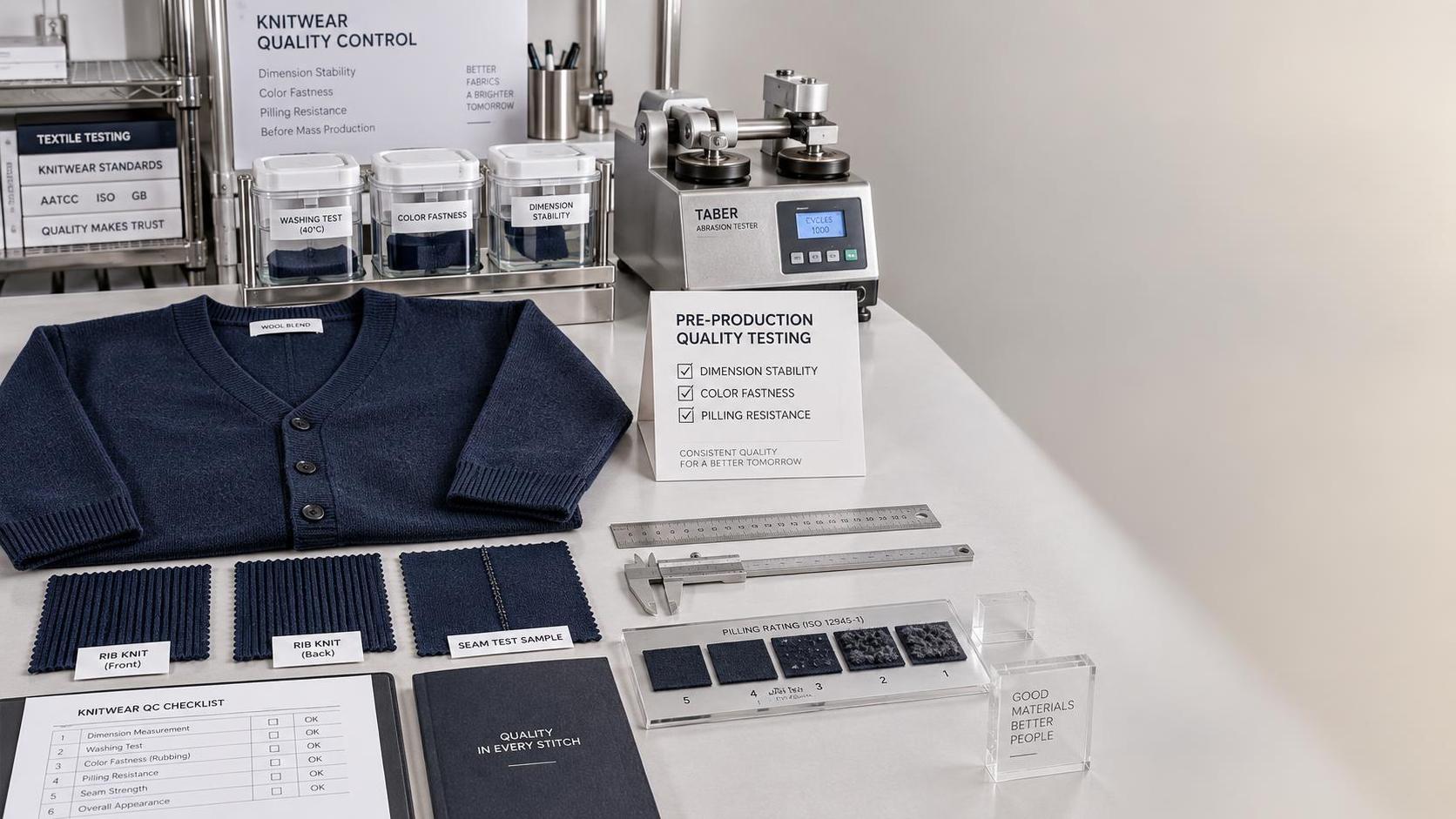
Private Label Knitwear Quality Control: Tests to Set Before Production Starts
Private label knitwear quality control guide: set pre-production tests for fiber content, shrinkage, colorfastness, pilling, seams, and compliance.
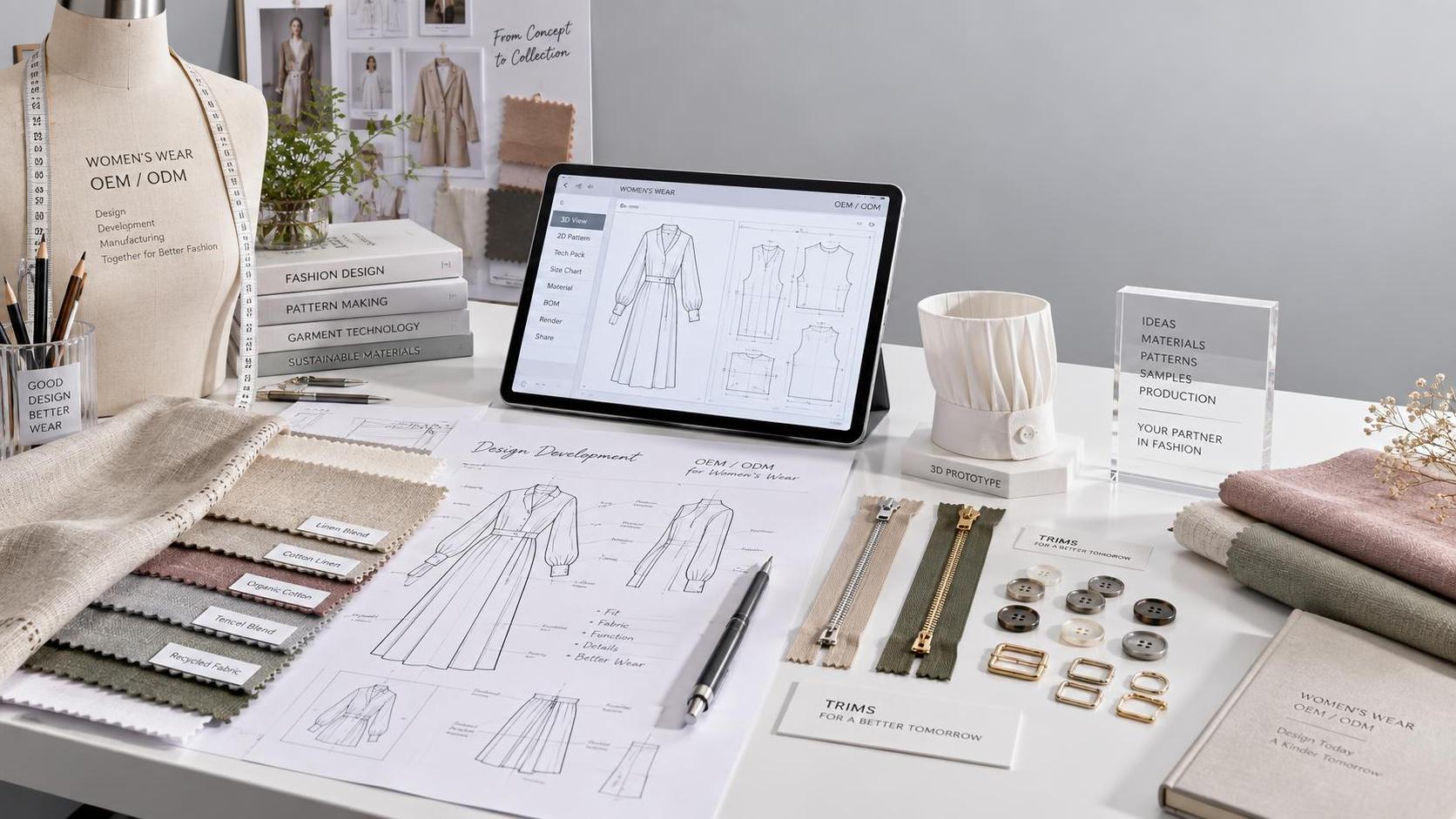
Do women's clothing OEM factories provide design development support for new collections?
Do women's clothing OEM factories offer design support for new collections? Discover how top-tier partners like Meiwuzhi integrate design into production—speeding up development, improving fit, and reducing revisions.
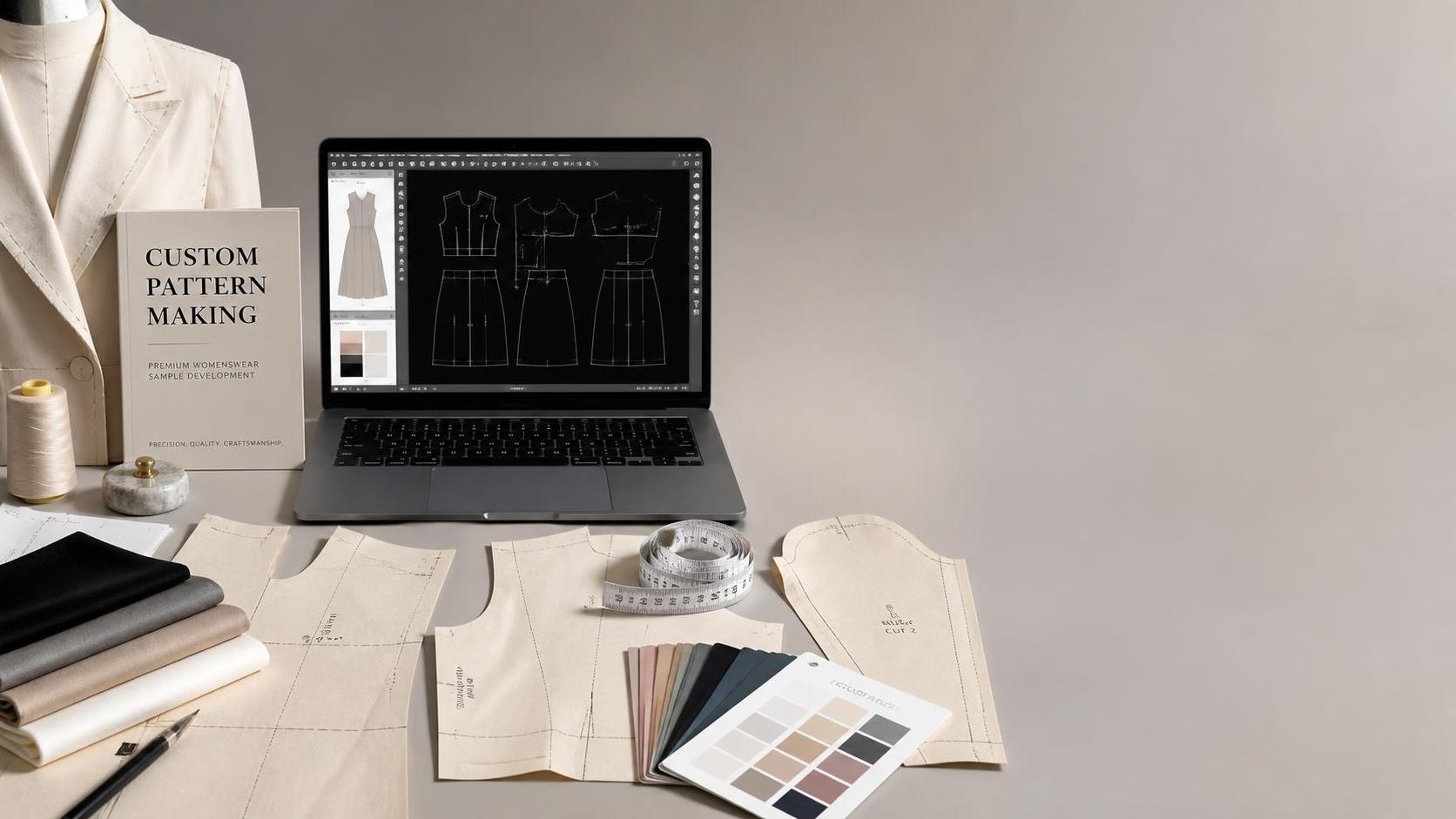
Do High-End Women’s Apparel Factories Accept Custom Pattern Making
Do high-end women's apparel factories accept custom pattern making? Yes—when fabric, fit, and sampling align. Learn what premium factories require and how to improve development success.

{item.title}
{item.description}
Please give us a message
Contact Us